Premium
Lotus Perfume
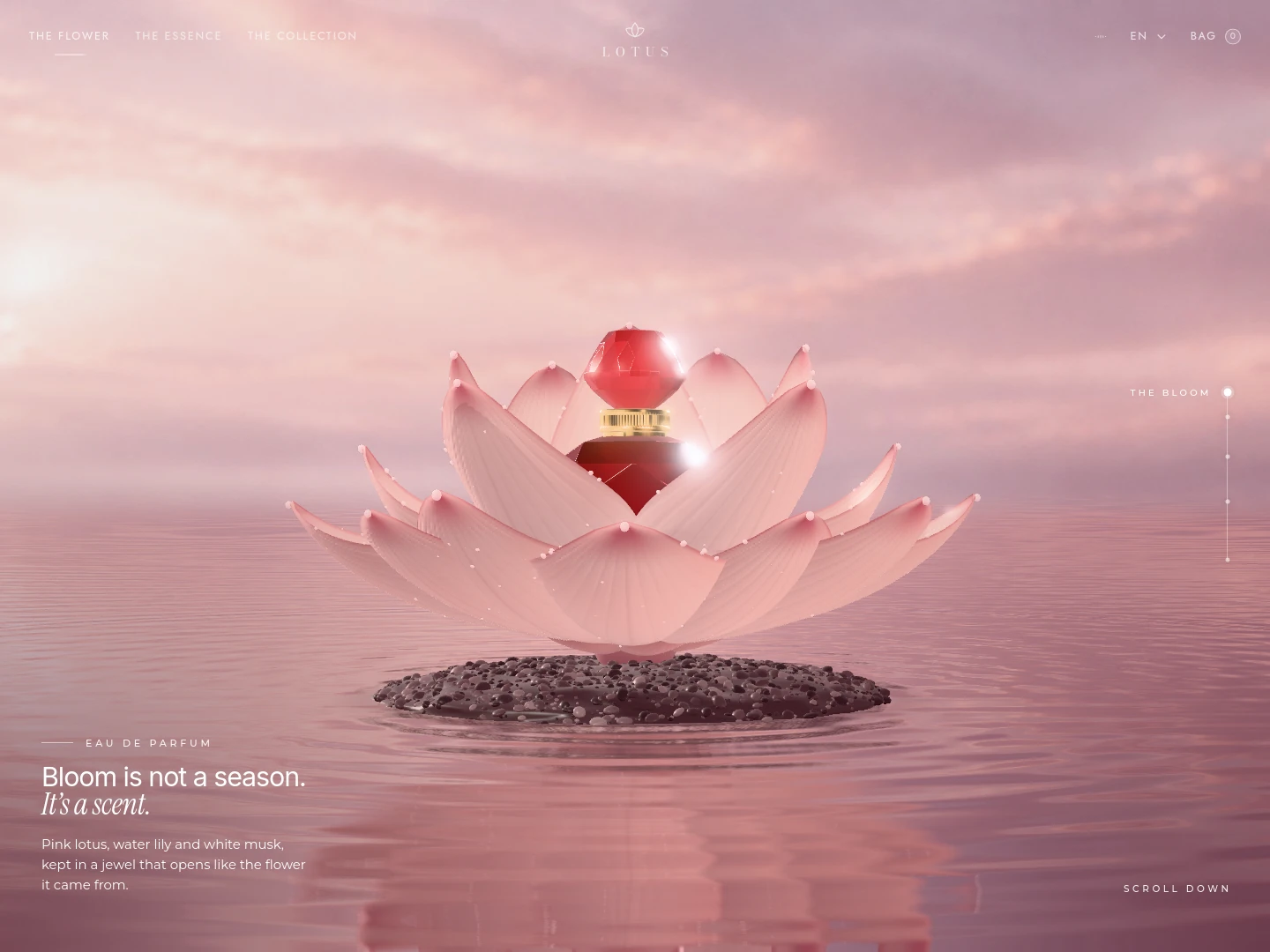
Scroll-driven 3D perfume landing page: a lotus blooms on a stone in a pink sea, a ruby bottle rises and mists, then dives to an underwater showroom.
 HorizonX Code
Collection
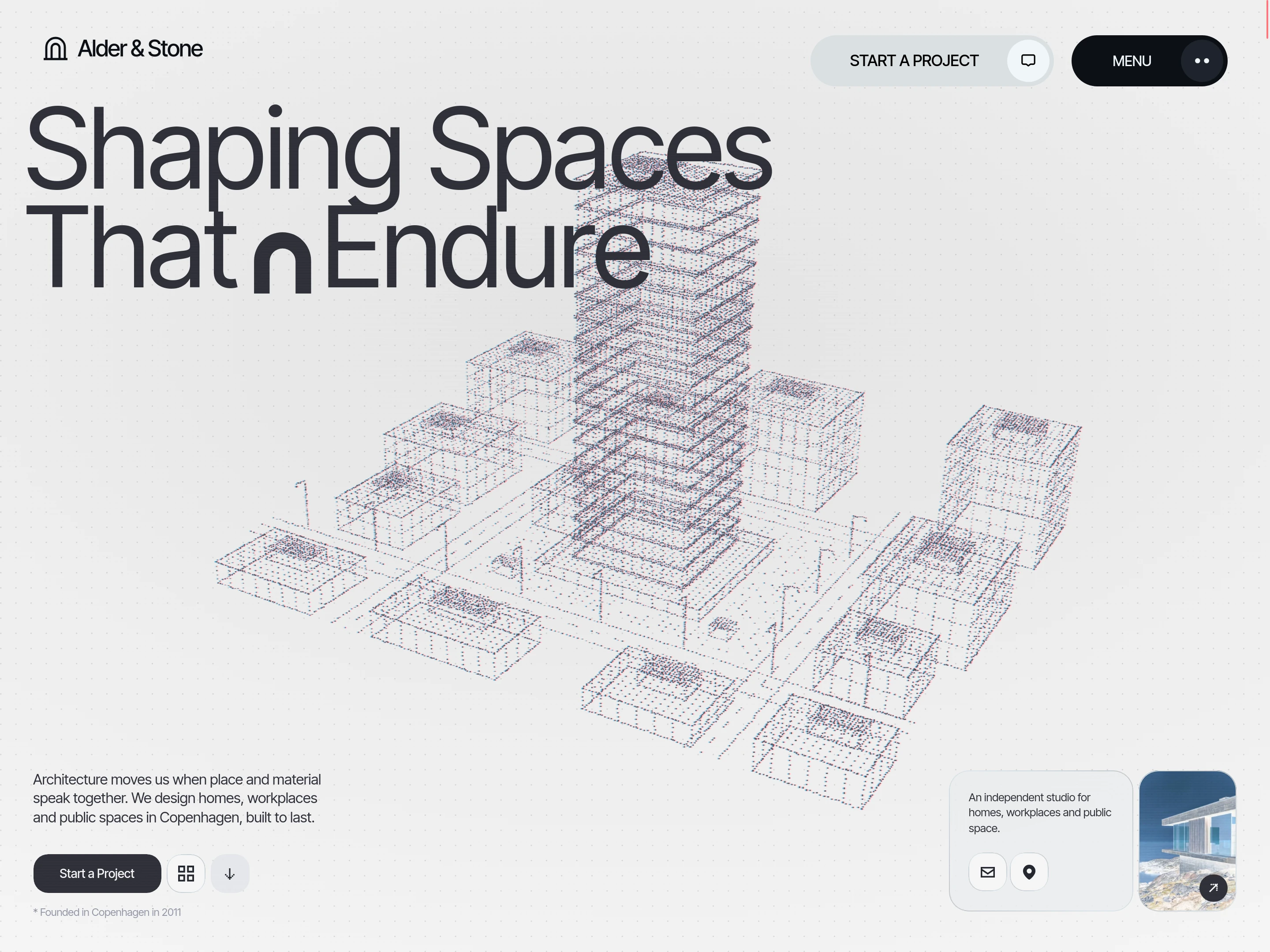
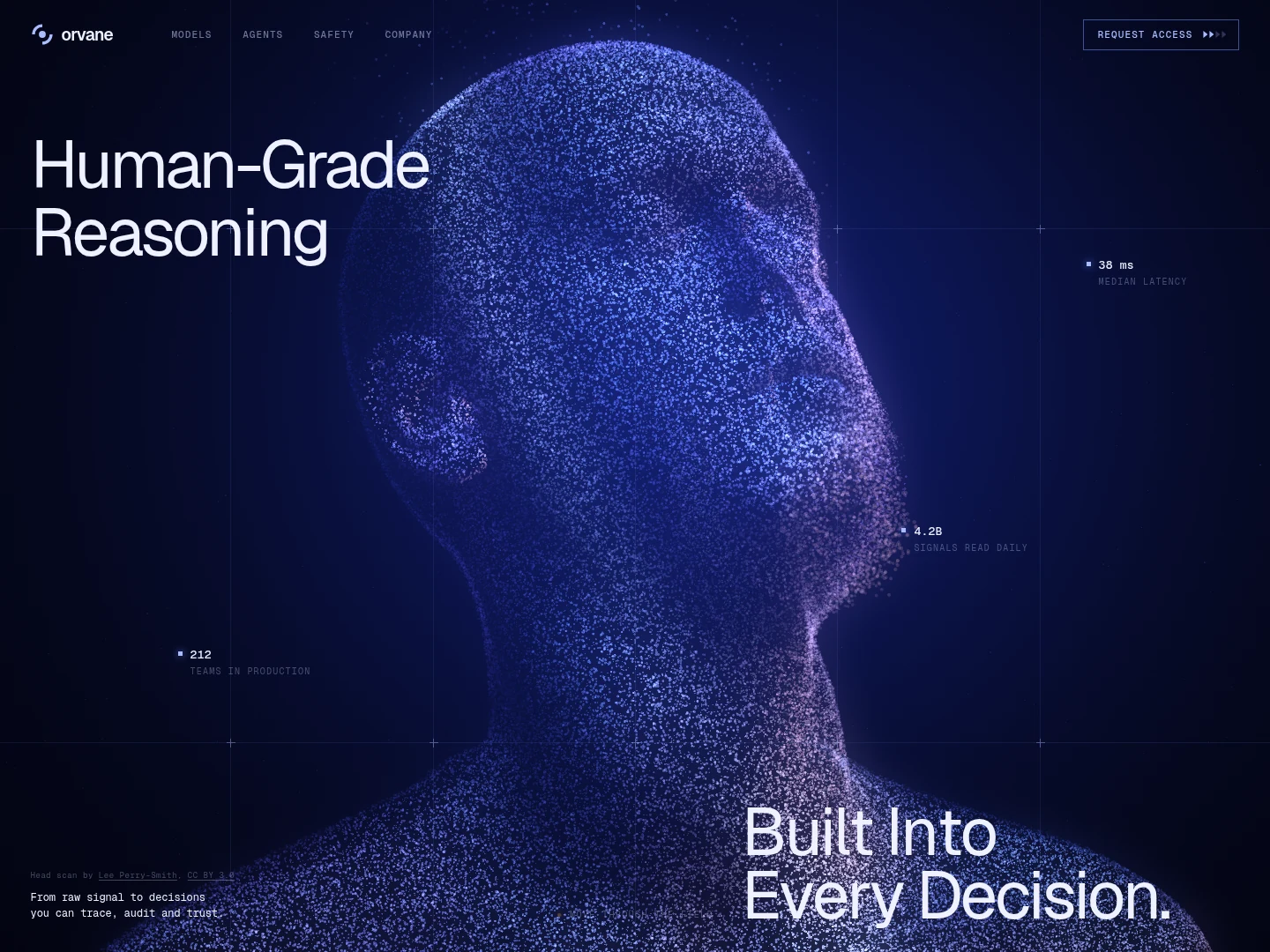
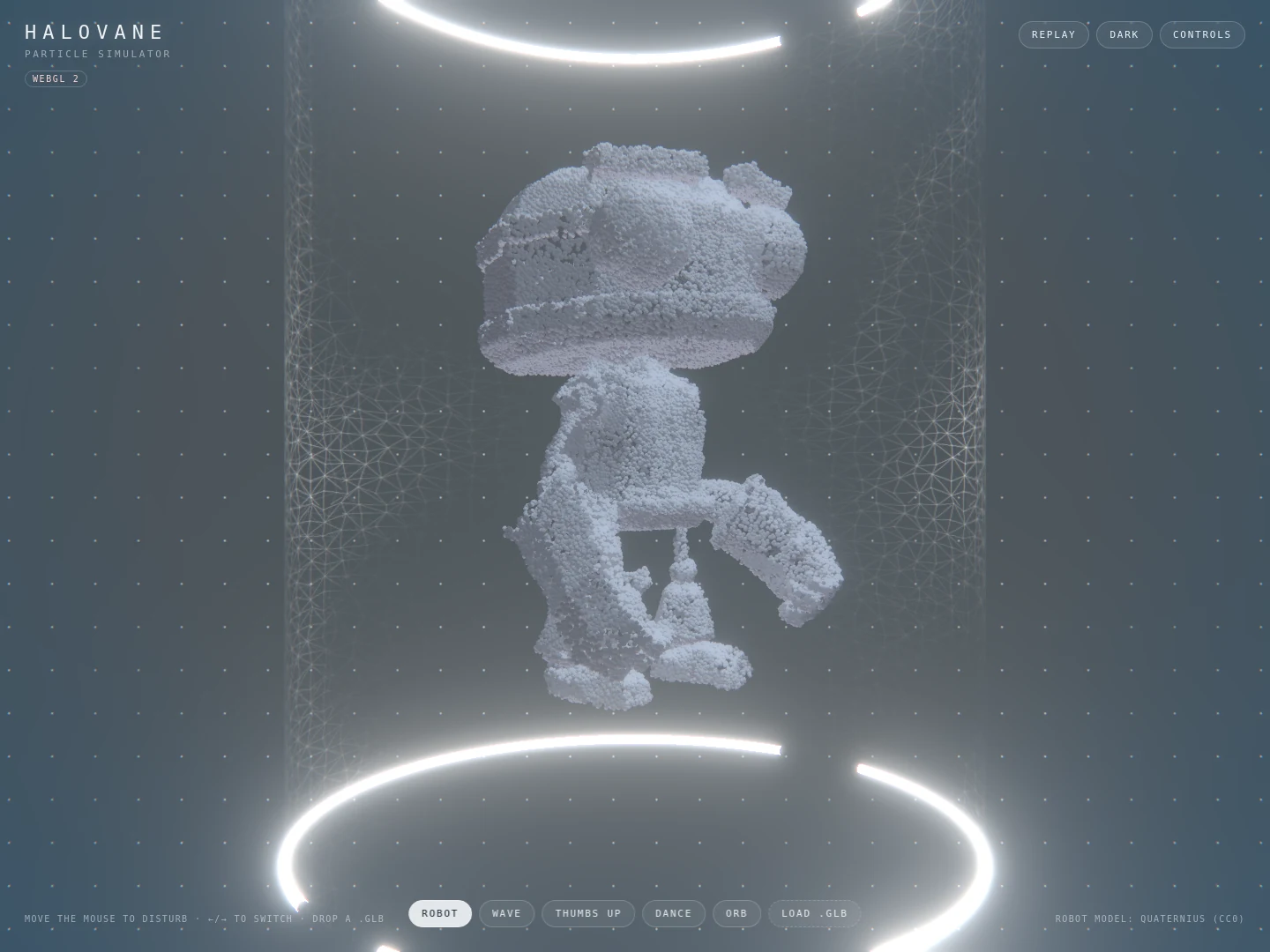
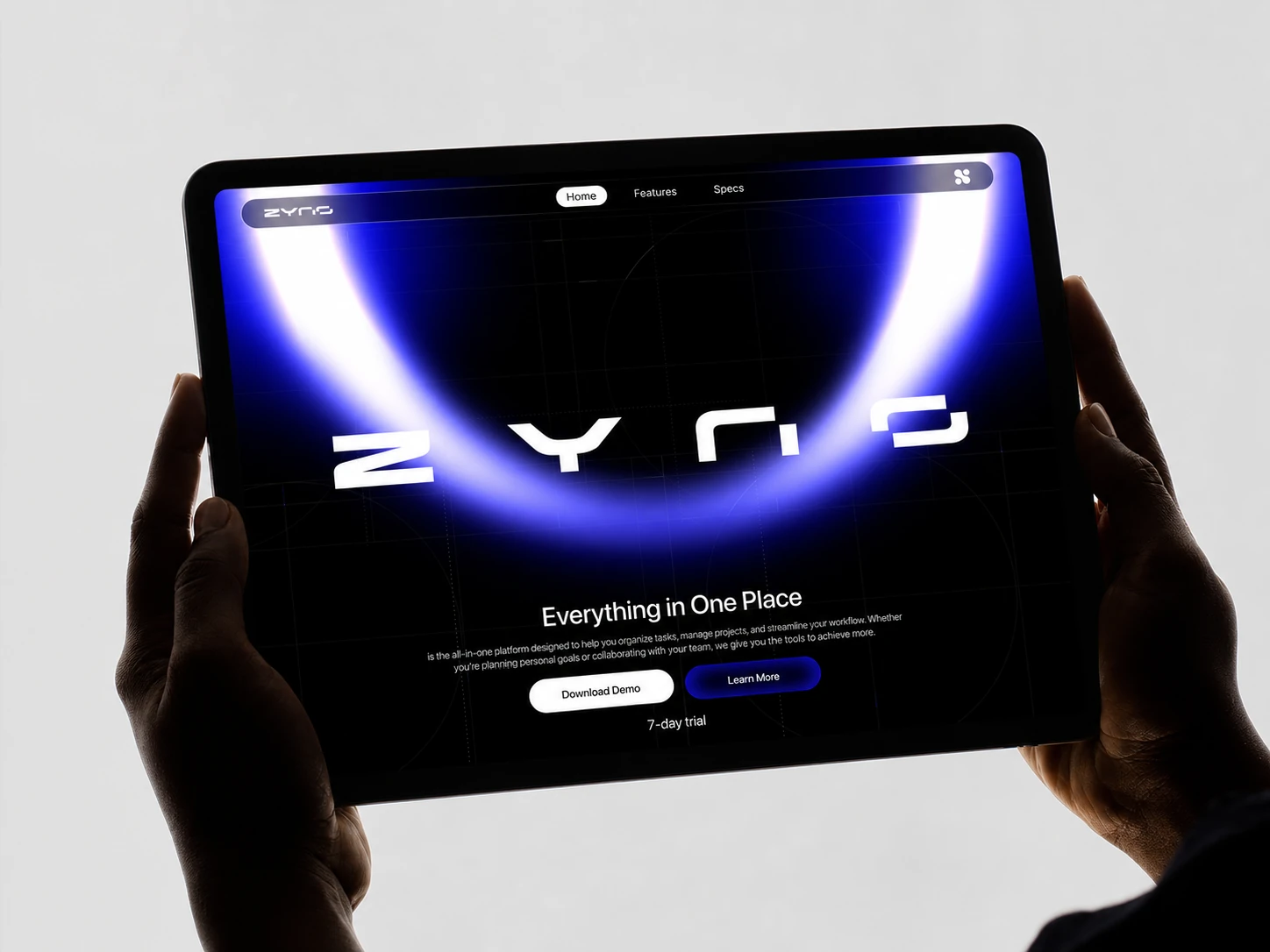
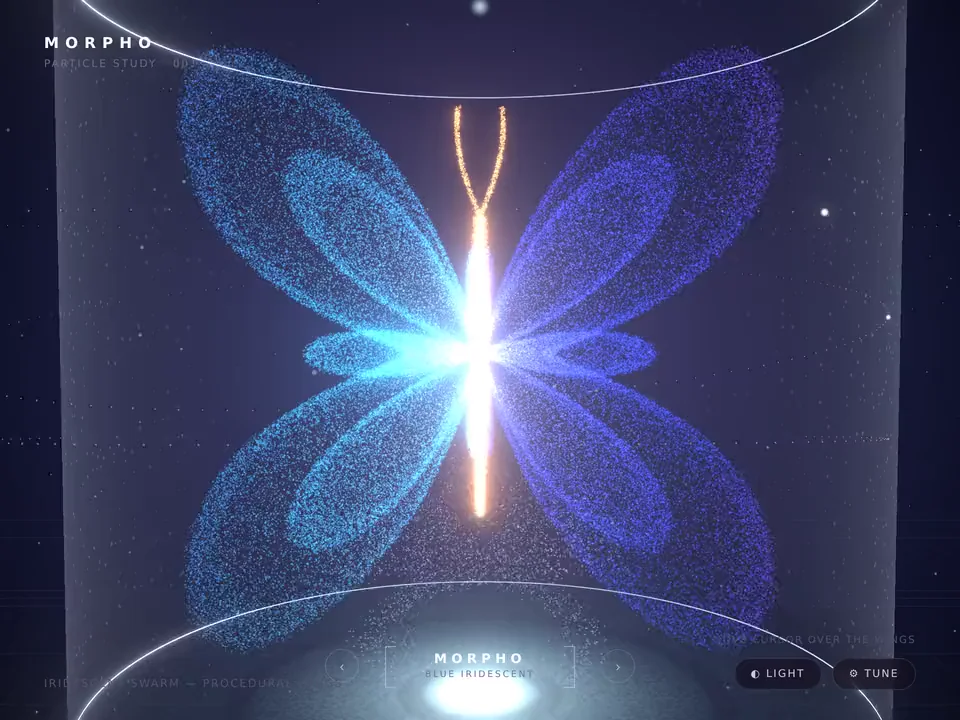
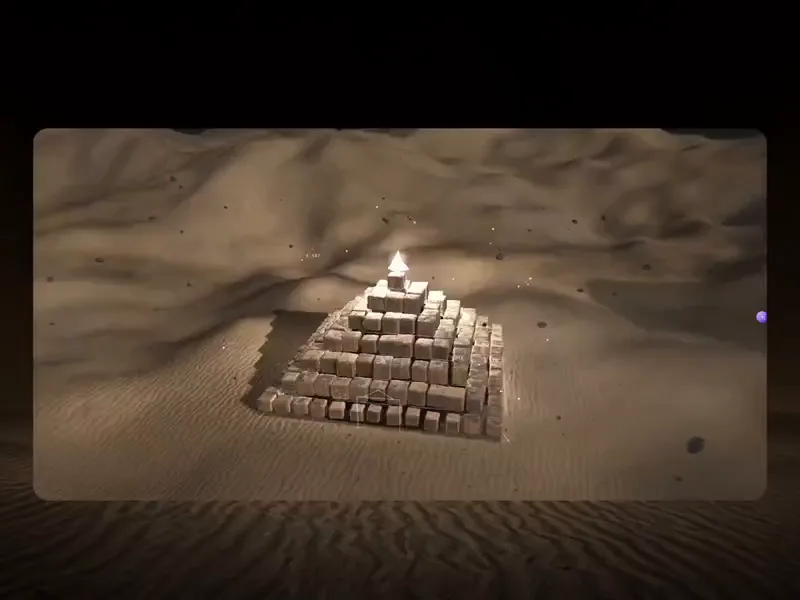
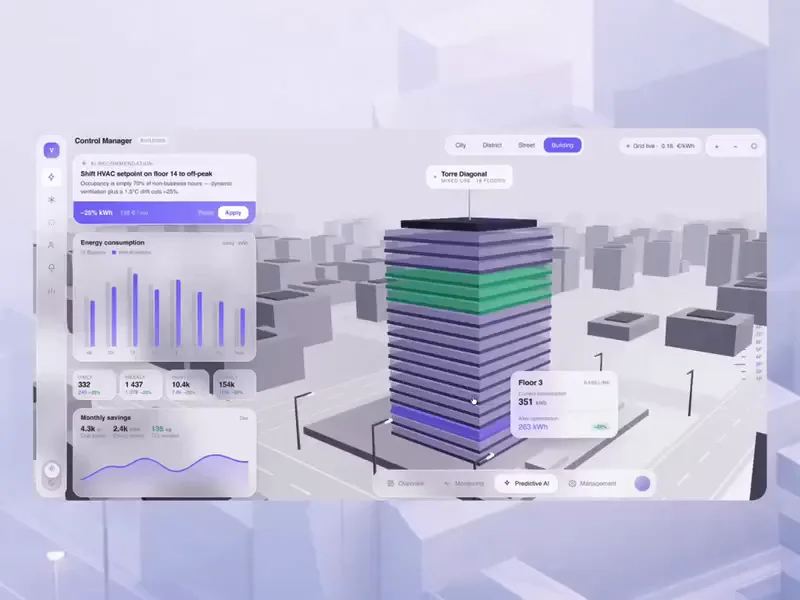
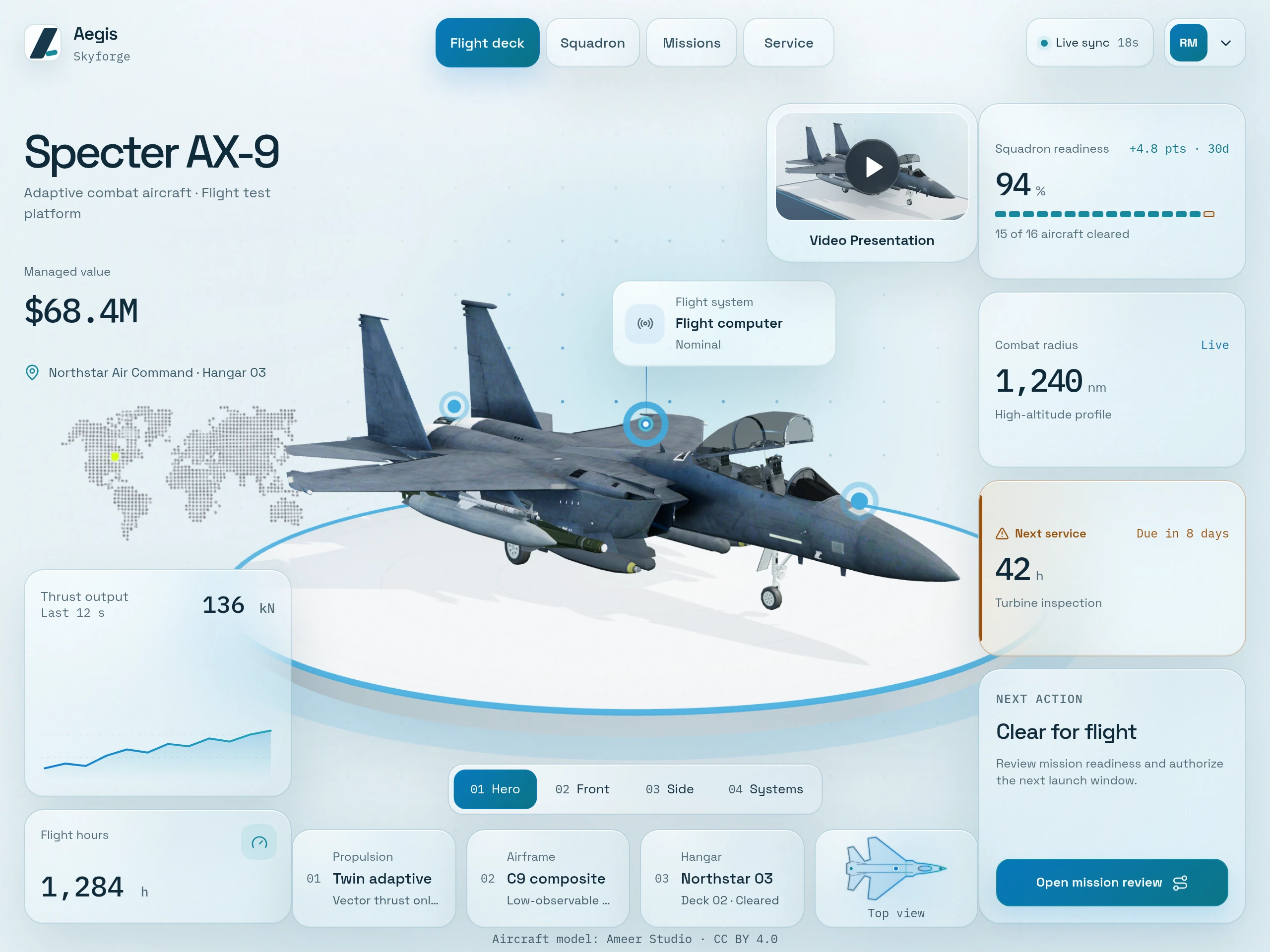
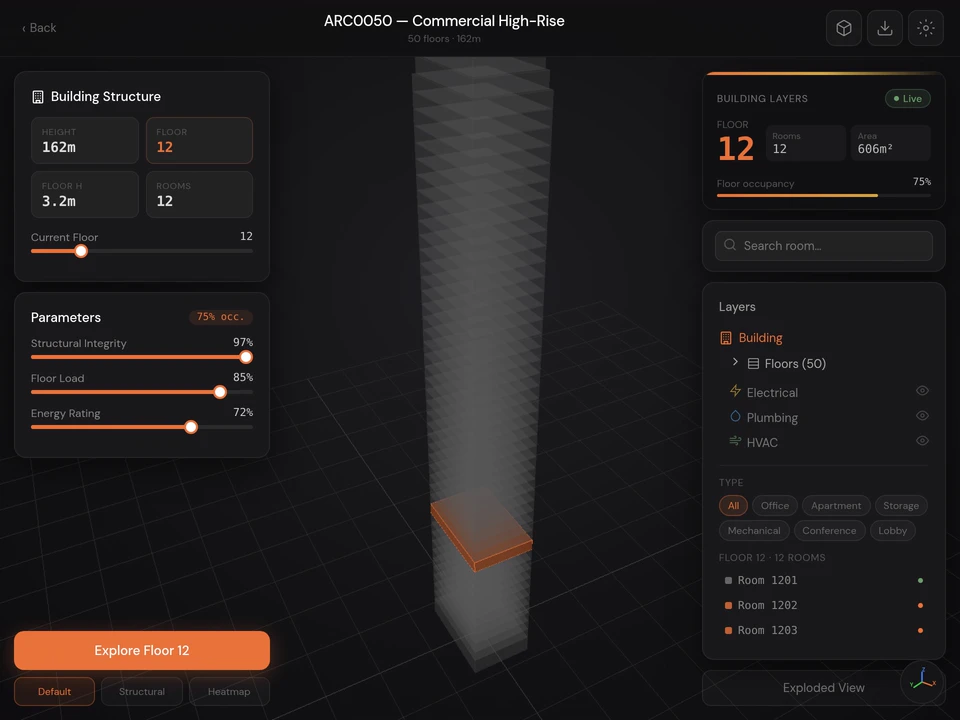
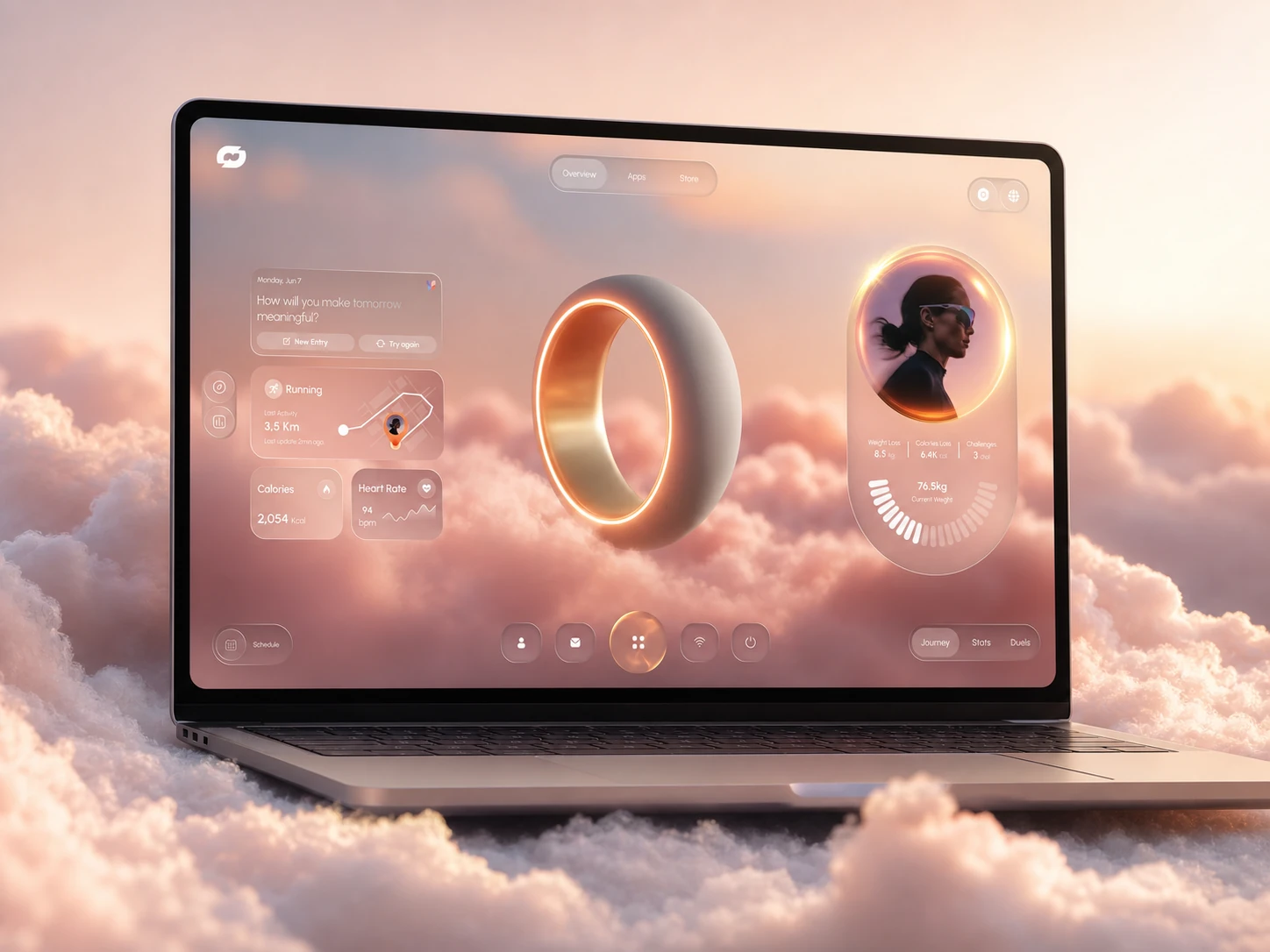
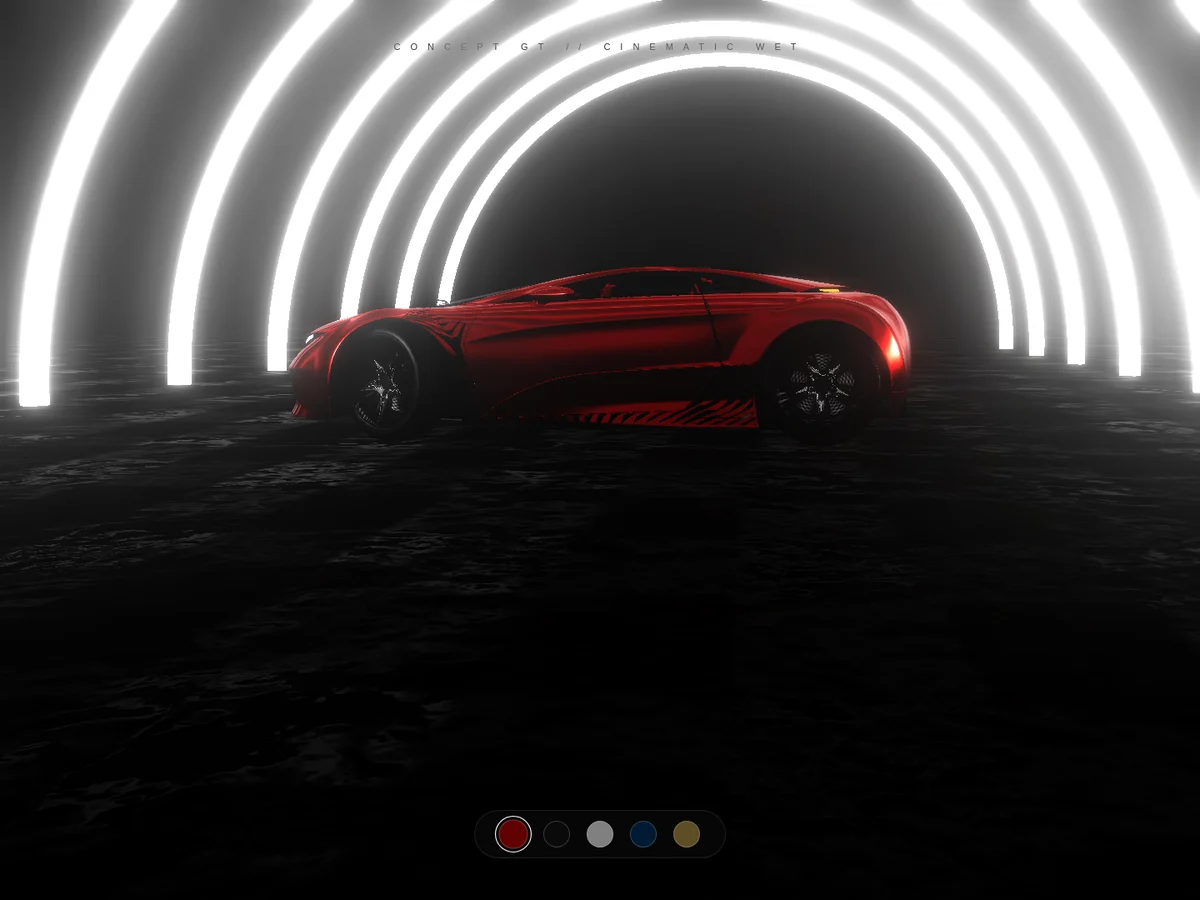
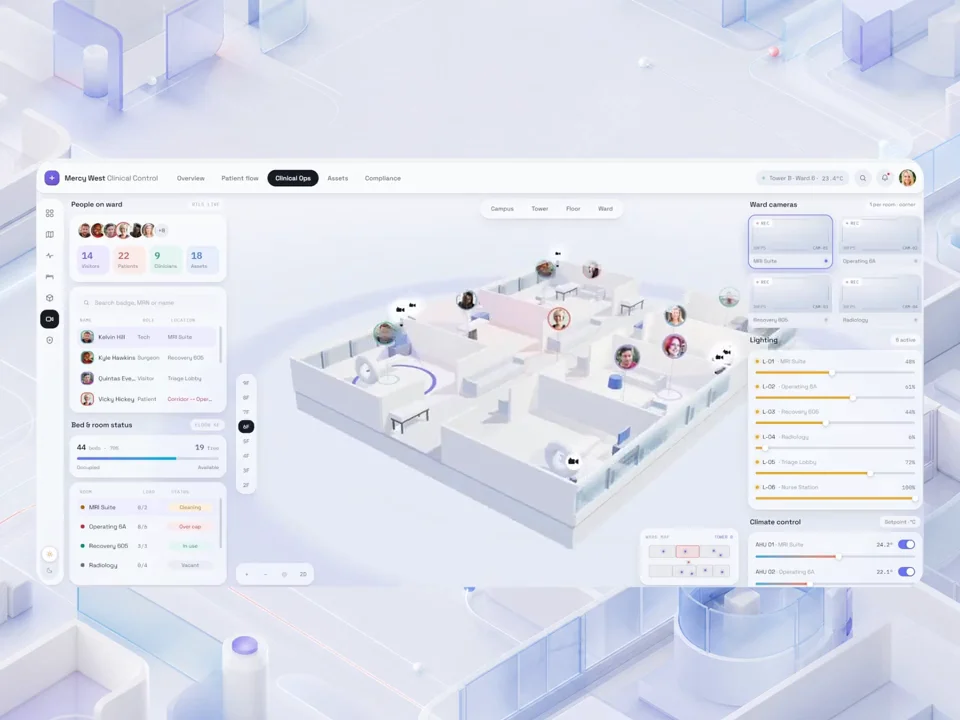
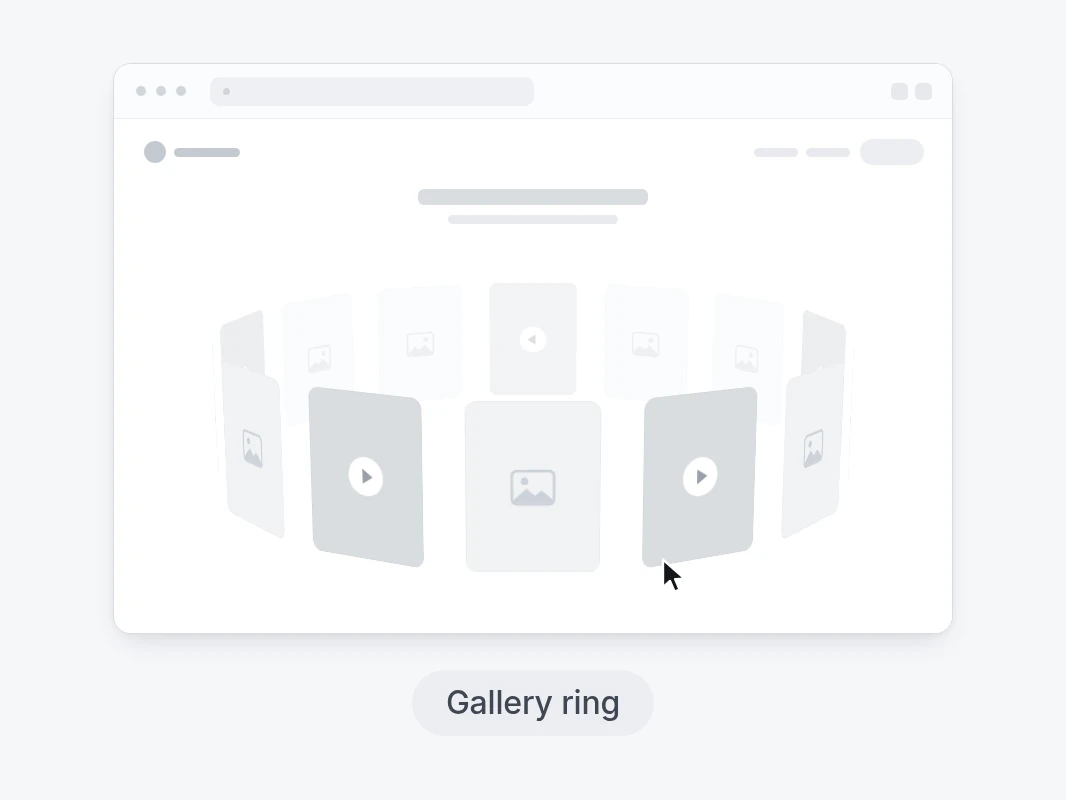
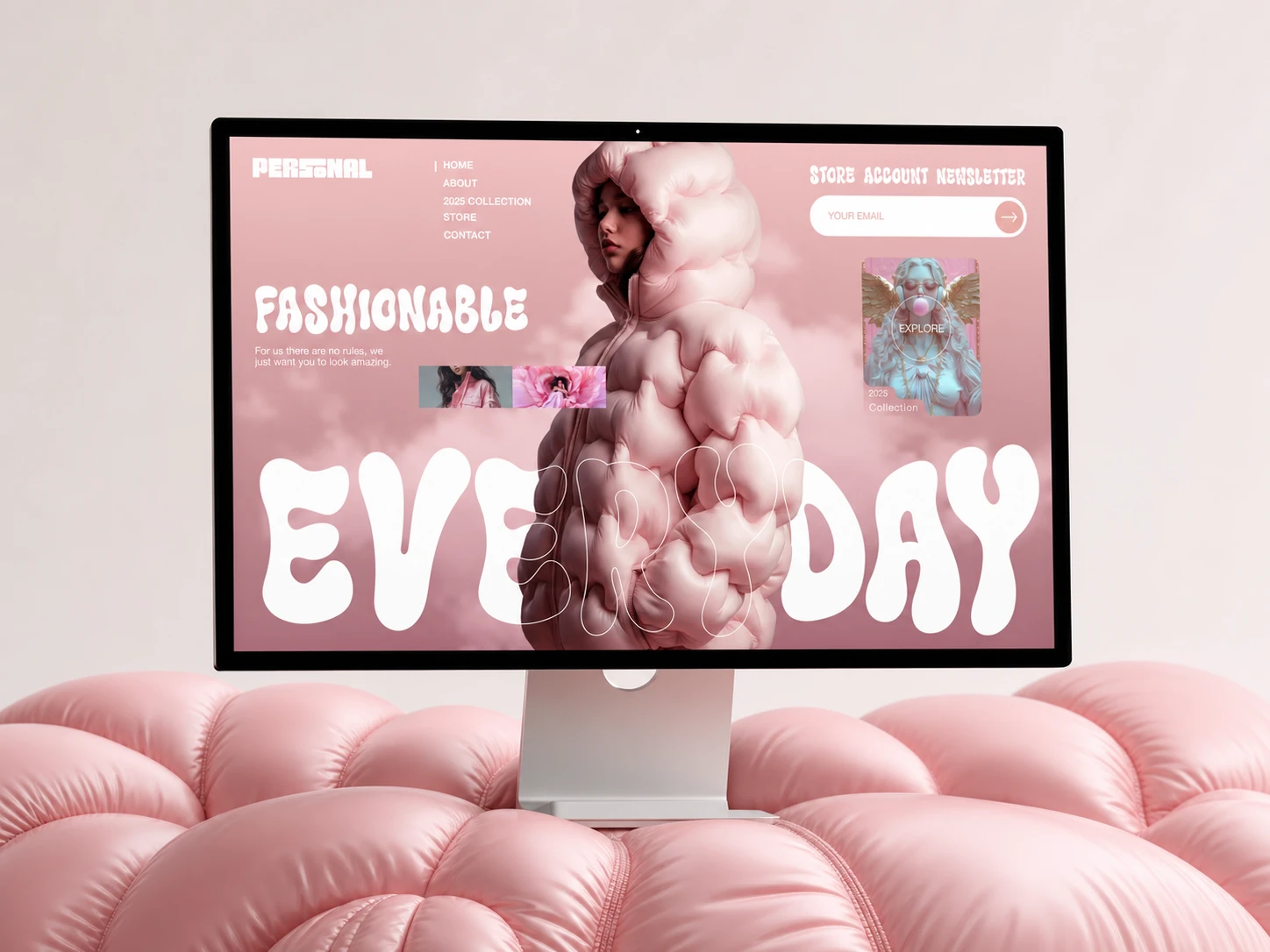
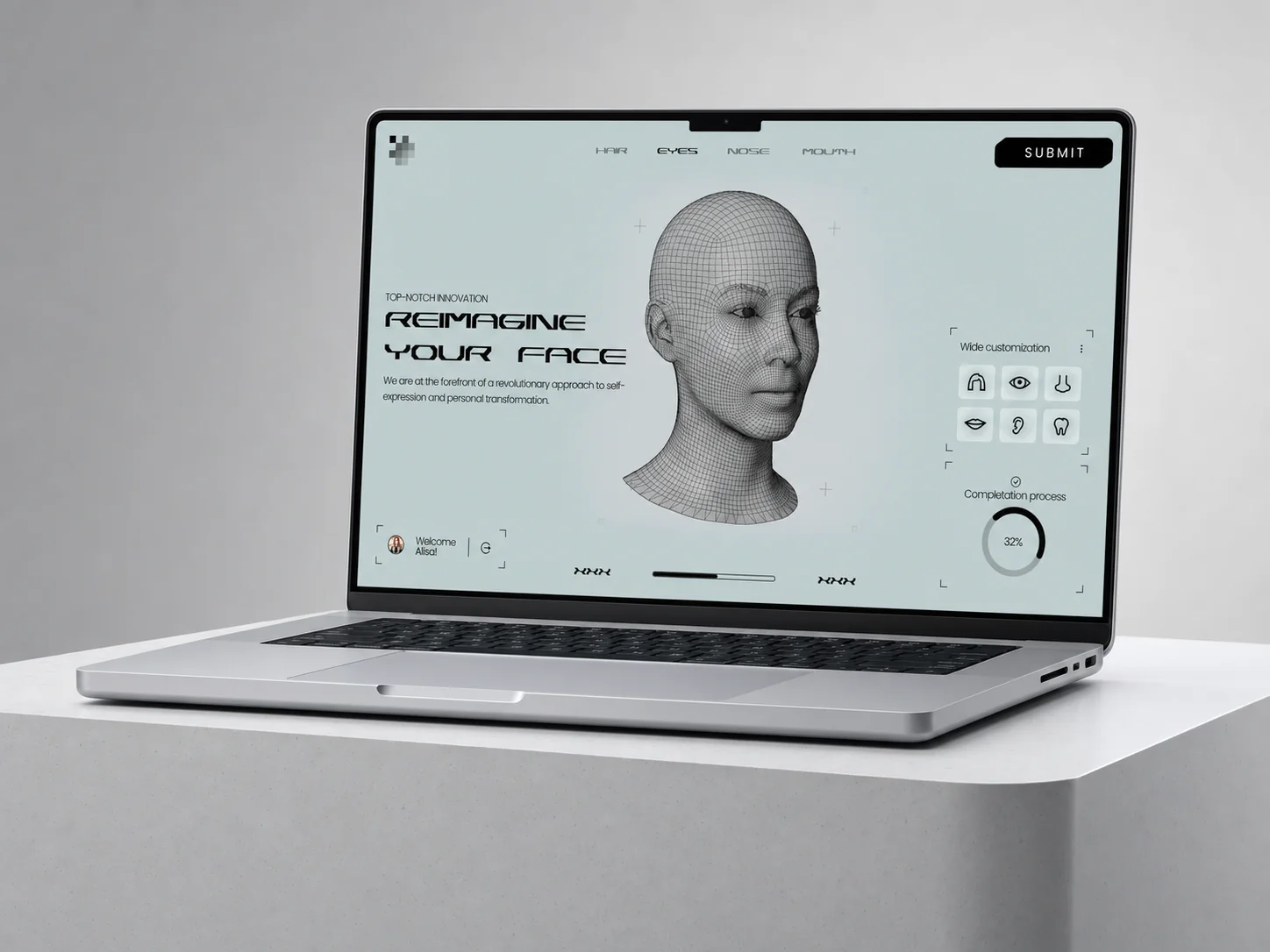
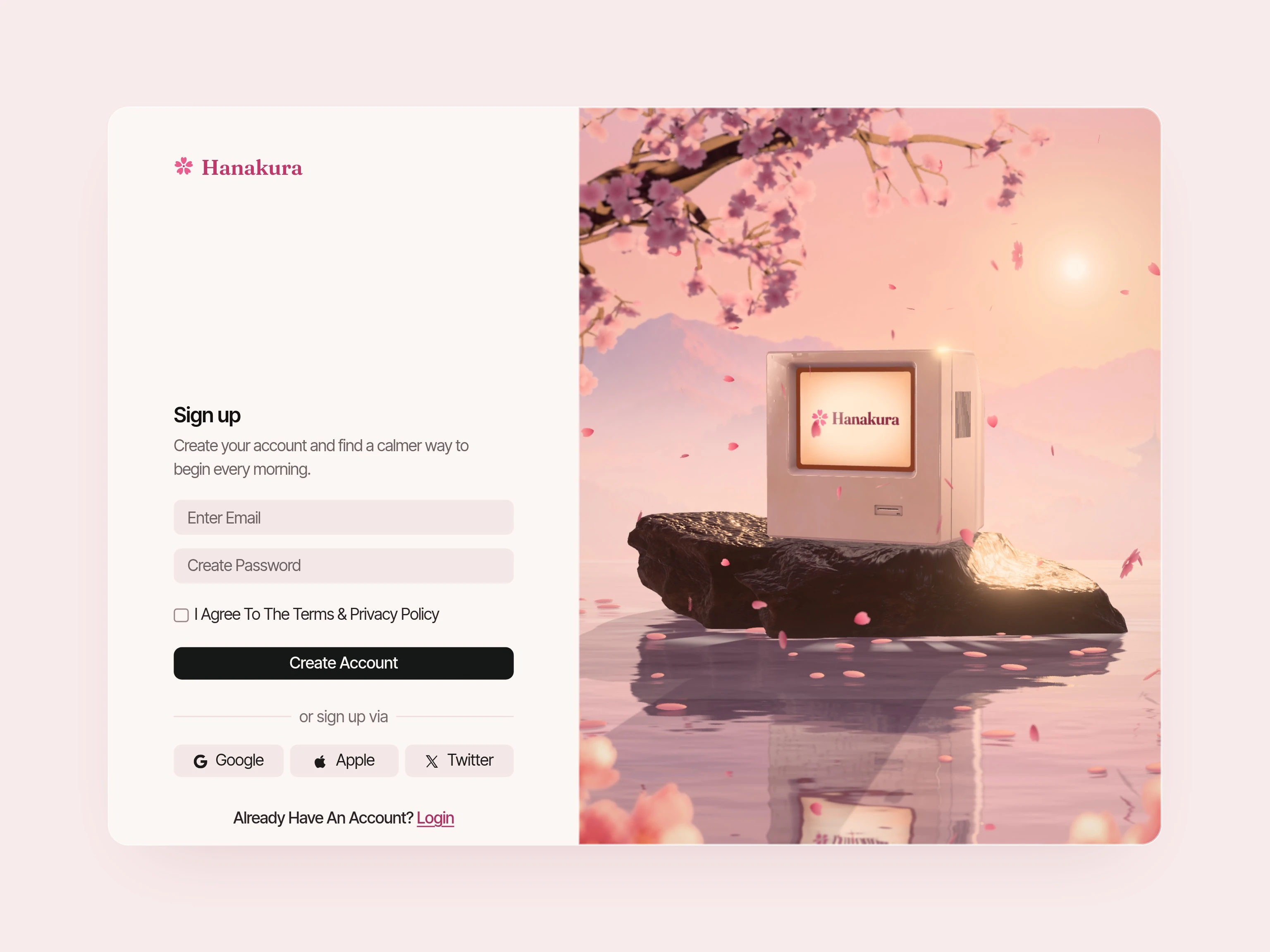
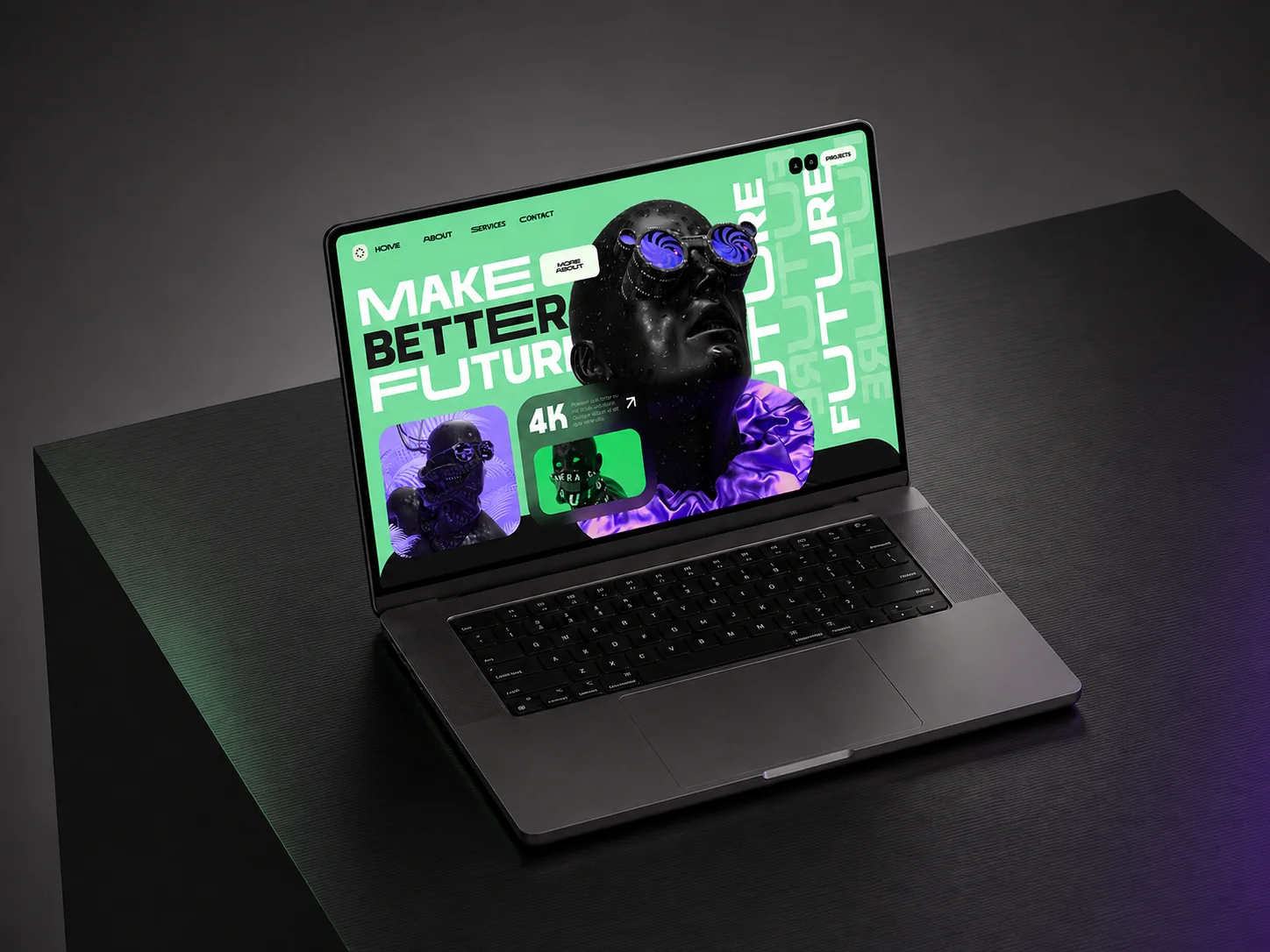
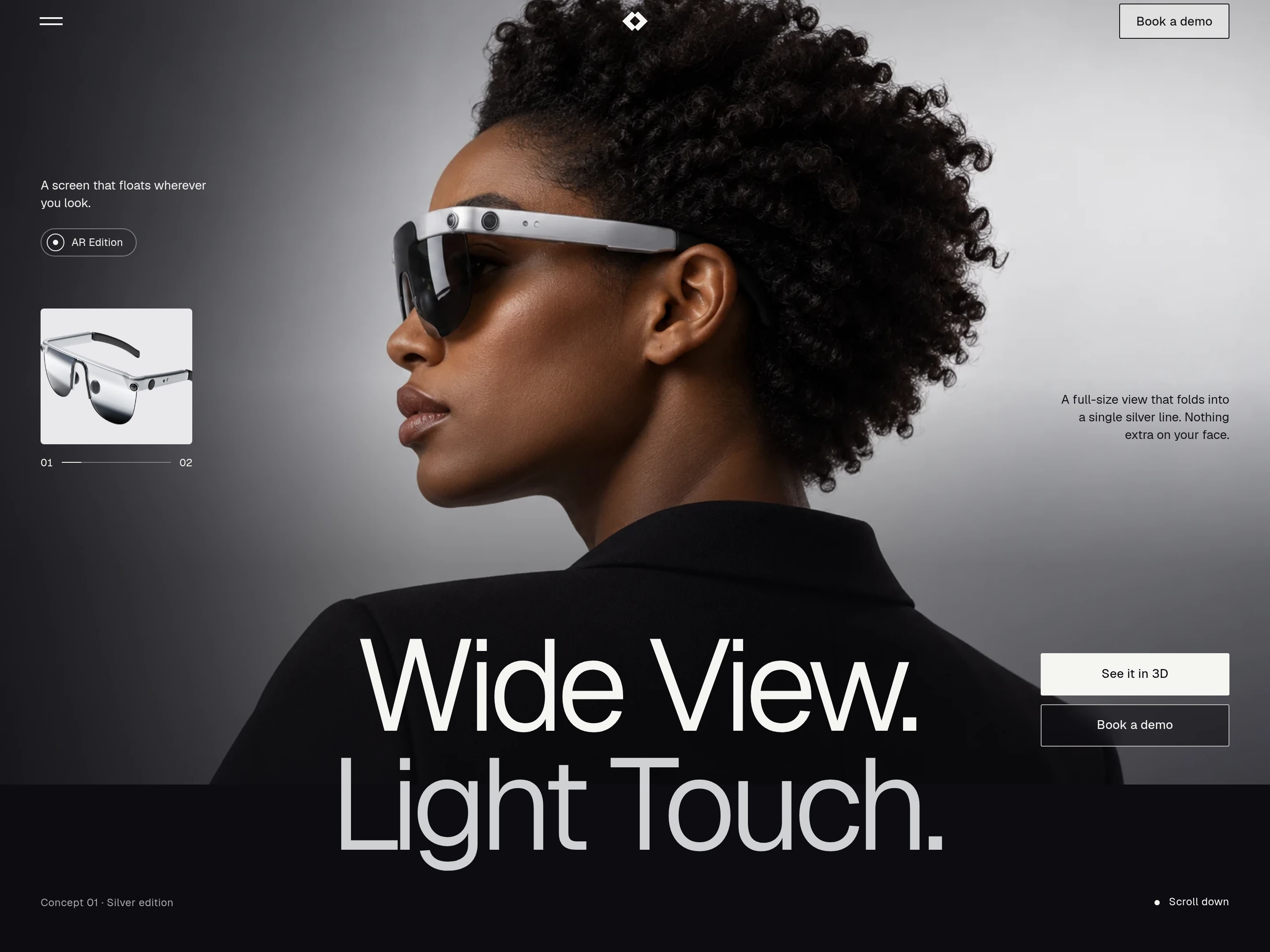
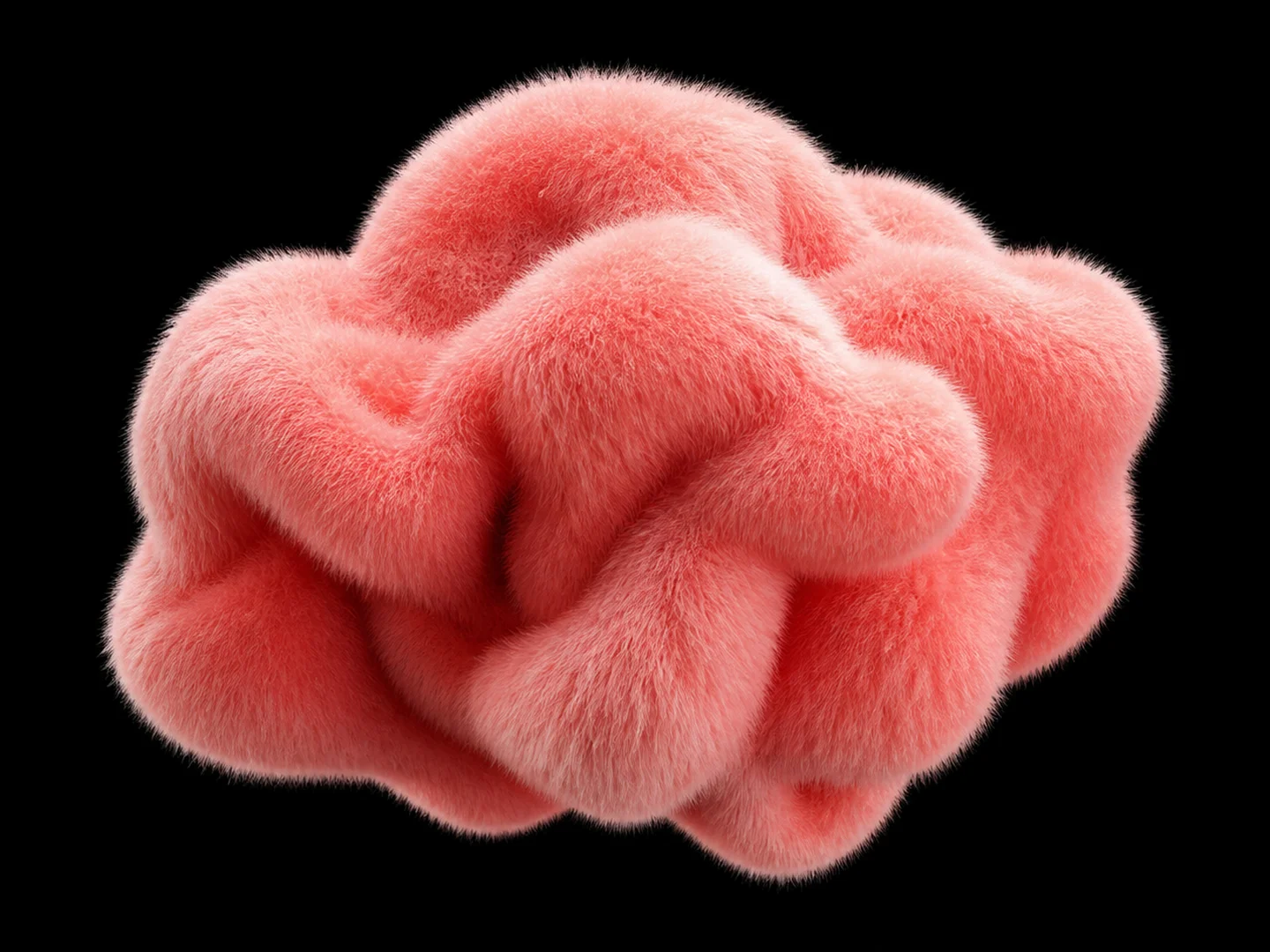
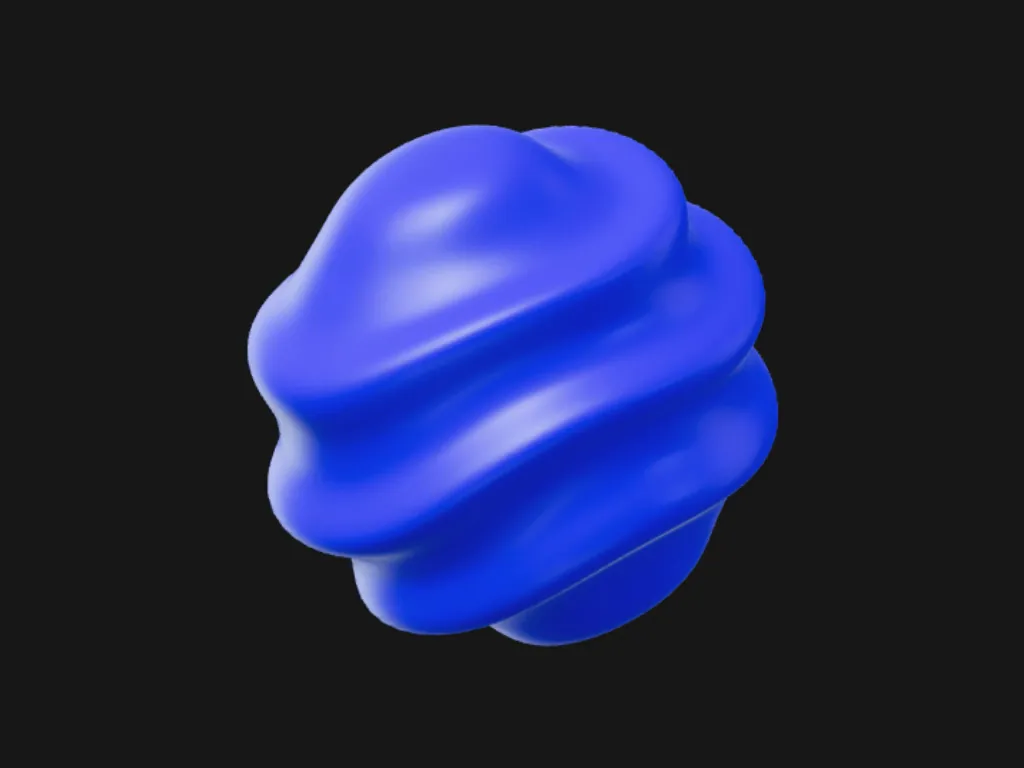
Immersive, depth-driven interfaces where 3D is the product, not a decoration. This collection gathers concepts that use dimensional hero art, product renders and spatial layout to make a screen feel physical, the direction premium interfaces are moving toward.
This collection curates 3D web design concepts where dimensional art does real work: hero art that anchors a page, product renders that feel physical and spatial layouts that create depth instead of flatness. The designs treat 3D as content, not a filter.
You get concepts that resolve lighting, camera and material with the intent of a premium web experience, so a screen feels considered rather than decorated.
Designers and developers building premium, high-end brand experiences where a flat page would undersell the product. If the goal is to make a brand feel dimensional, these concepts show how far a layout can push it.
It is also useful for studios that want a stronger direction than a standard hero, and for anyone curious about where premium web design is heading.
3D on the web is often a collaboration between designer and developer. These concepts give both a shared target: the design establishes the look, and the build can use WebGL or a render to hit it. In a vibe-coded build, that target keeps the agent from drifting into a generic flat UI.
Start from a concept, agree on the material and camera, then let the tooling handle the real-time part without losing the original feel.
These are design concepts built around dimensional hero art and spatial layout. The look can be reproduced with renders or real-time WebGL, and the concept gives you the camera, lighting and material direction to aim for.
3D web design uses dimensional art, product renders and spatial layout to make a web interface feel physical, treating depth as a core part of the experience rather than a decorative effect.
Many can be achieved with a render or a build-time asset, but a truly real-time feel usually calls for WebGL. The concept gives you the target; the build determines the technique.
No. The spatial and dimensional principles apply across premium product pages, brand sites and interactive experiences.
A strong 3D concept sets a clear visual target so an agent is less likely to fall back on a generic flat layout. You direct from an established direction.
From the blog
Keep exploring
Browse every design in the HorizonX catalog, from UI kits and templates to textures, shaders and mockups.