Premium
Cyber Jackets
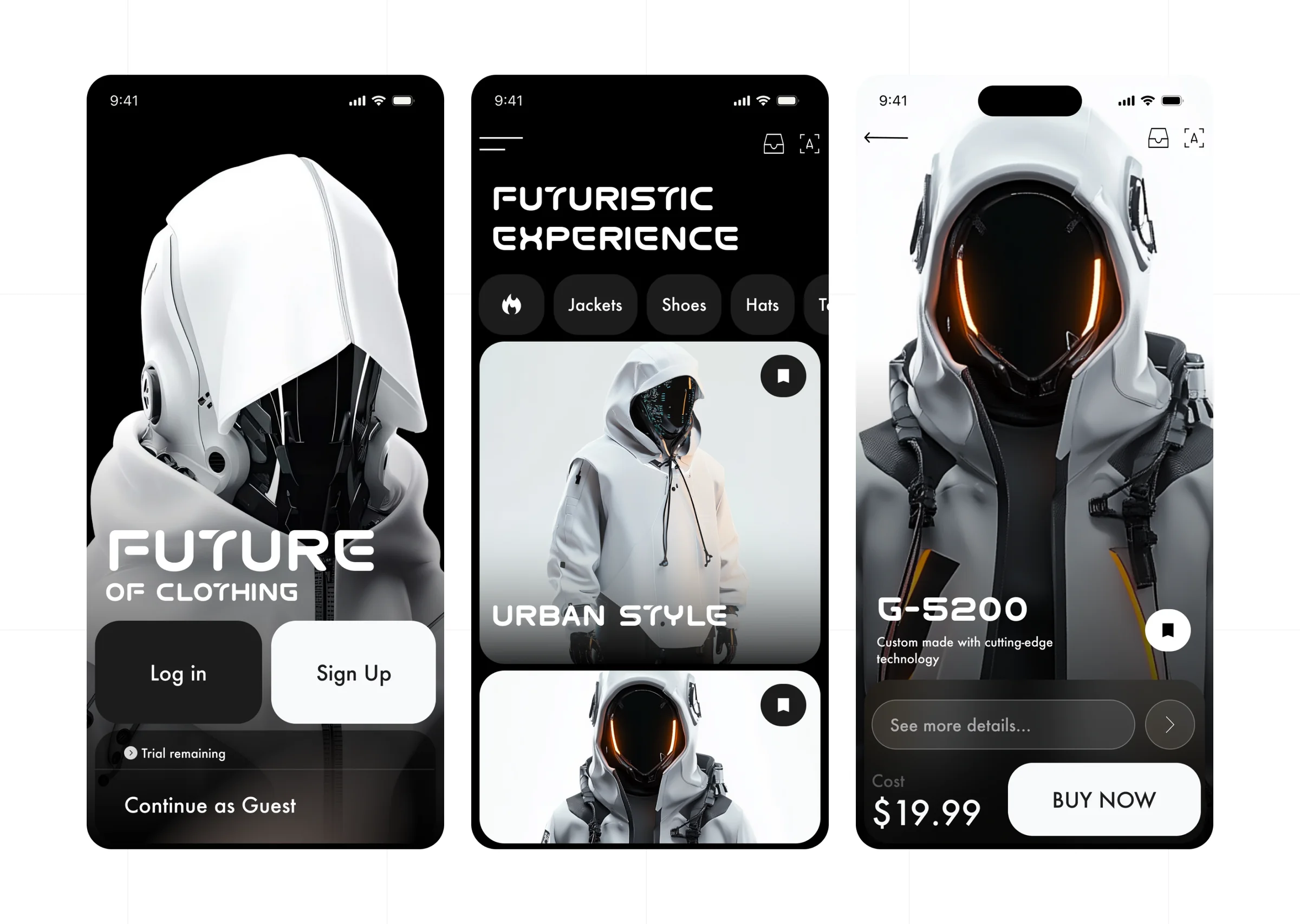
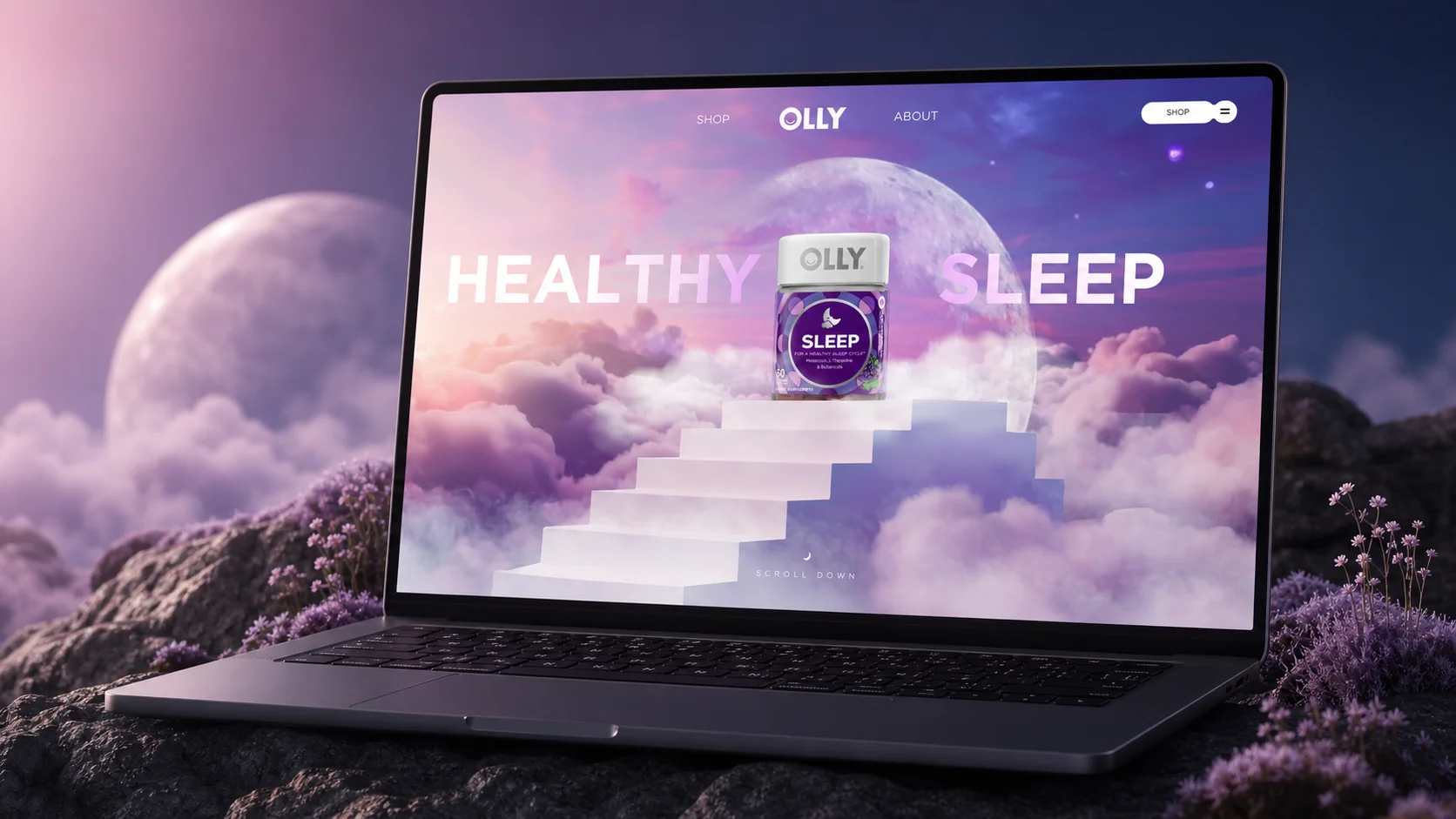
A 3D fashion-drop landing page in Three.js: three neon leather jackets, one world per colourway.
 HorizonX Code
Collection
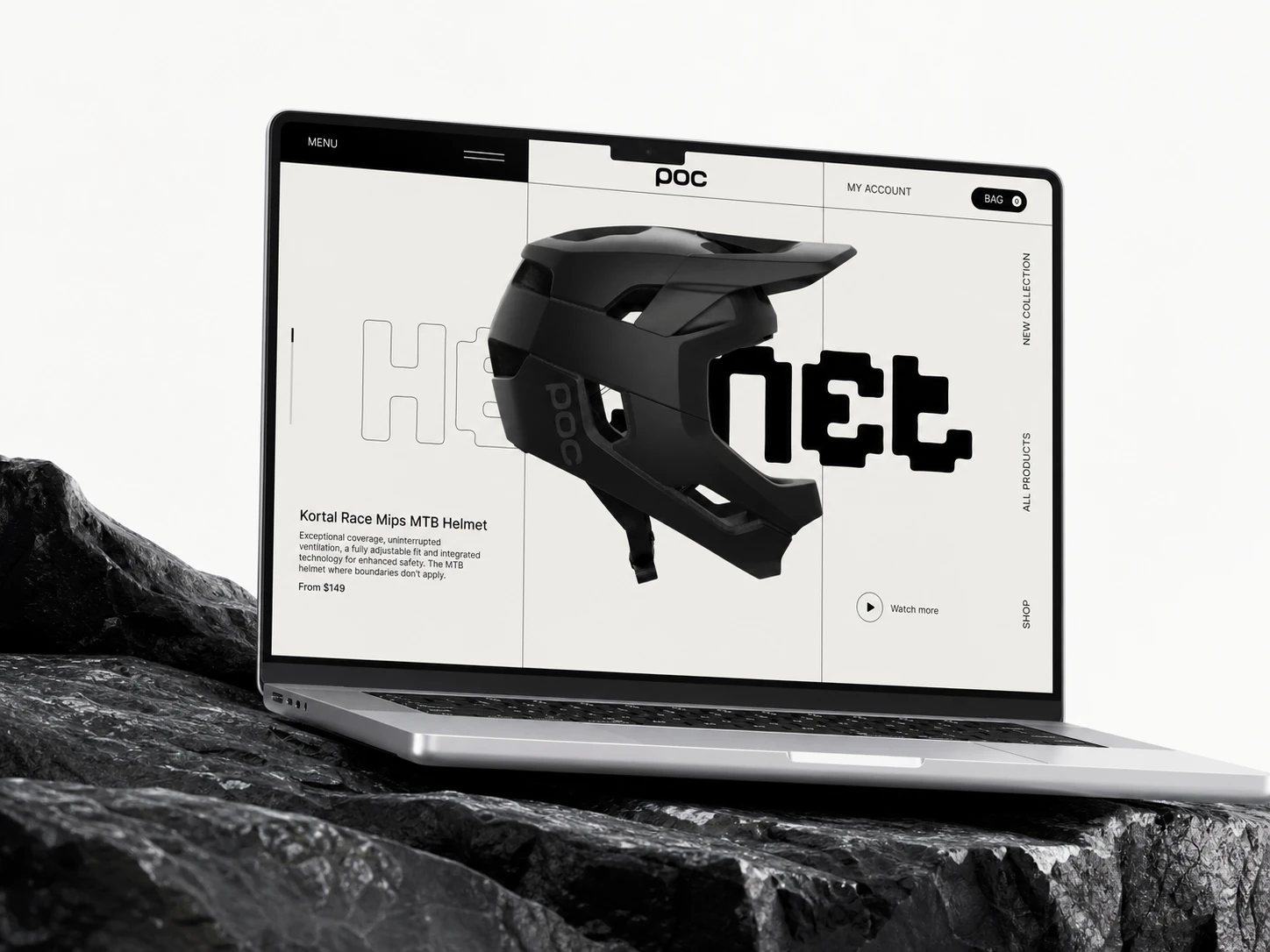
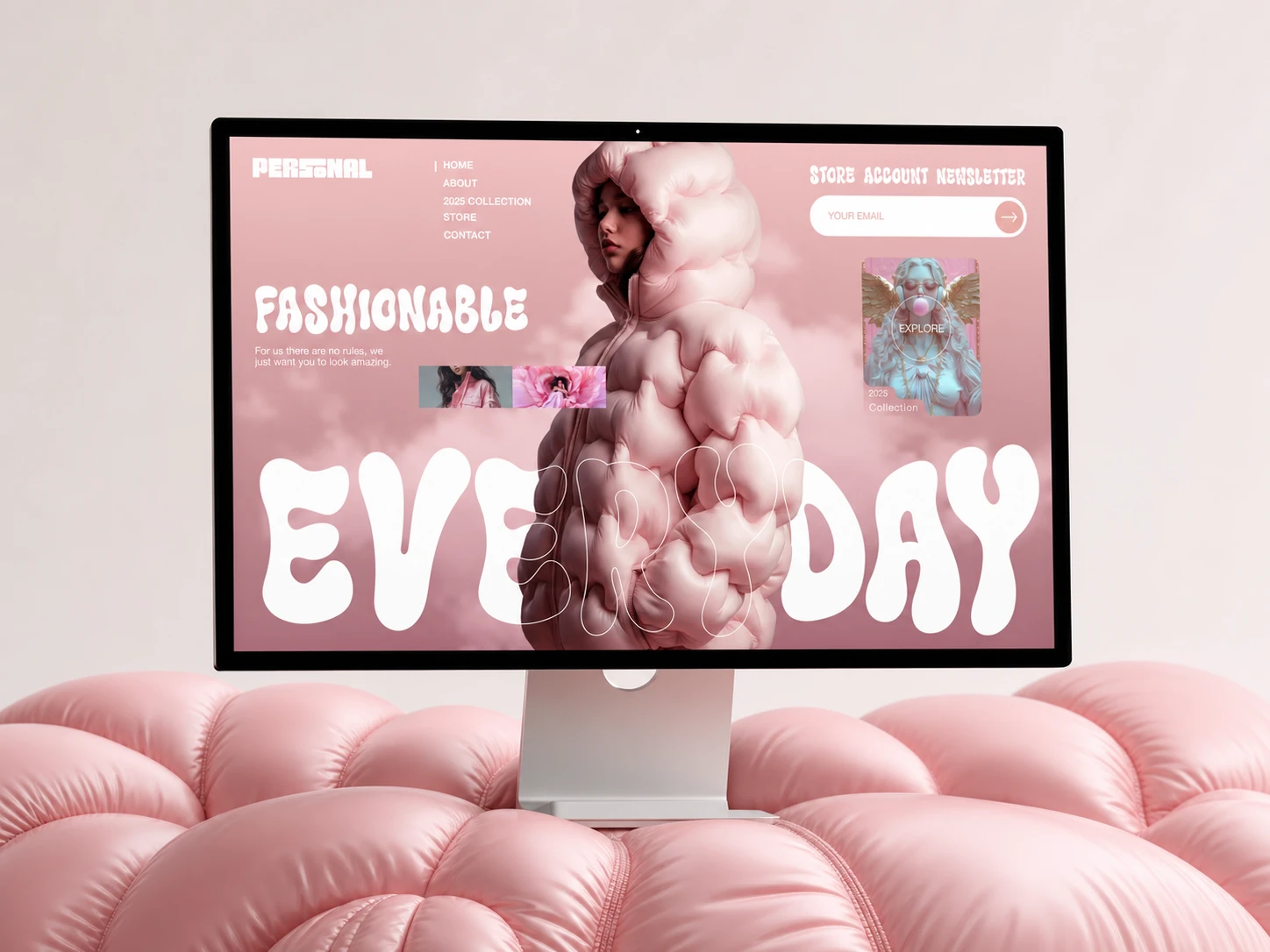
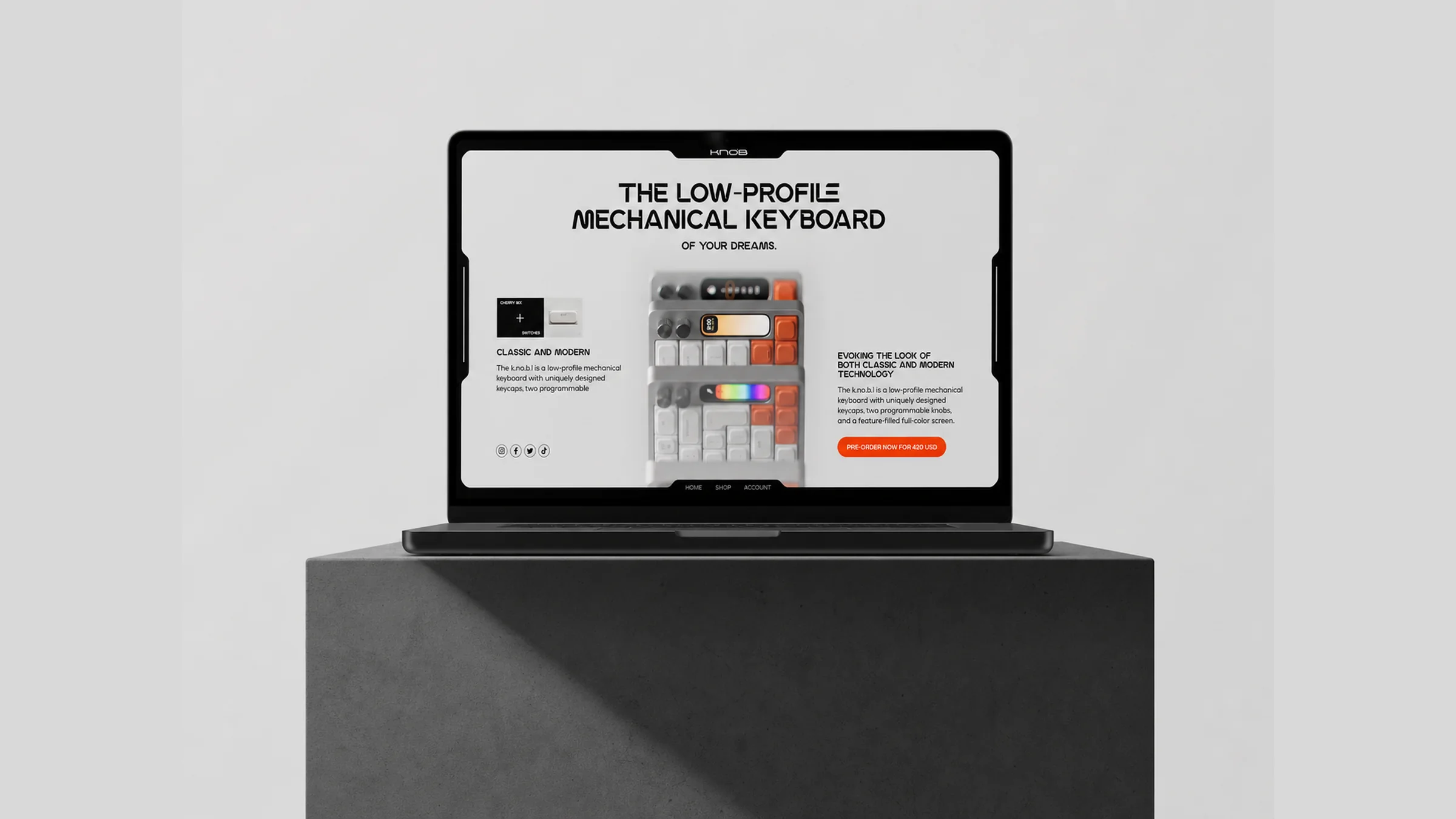
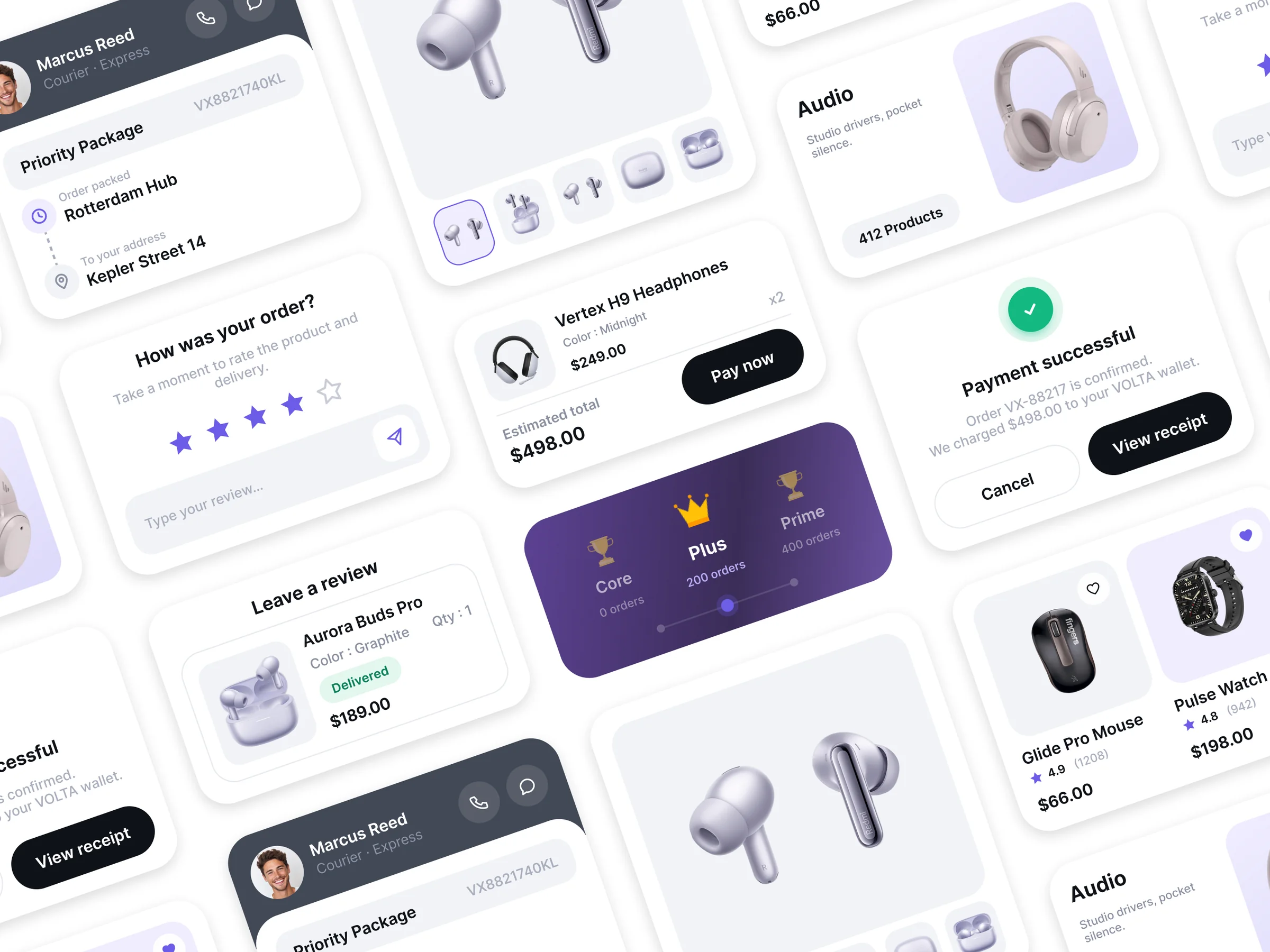
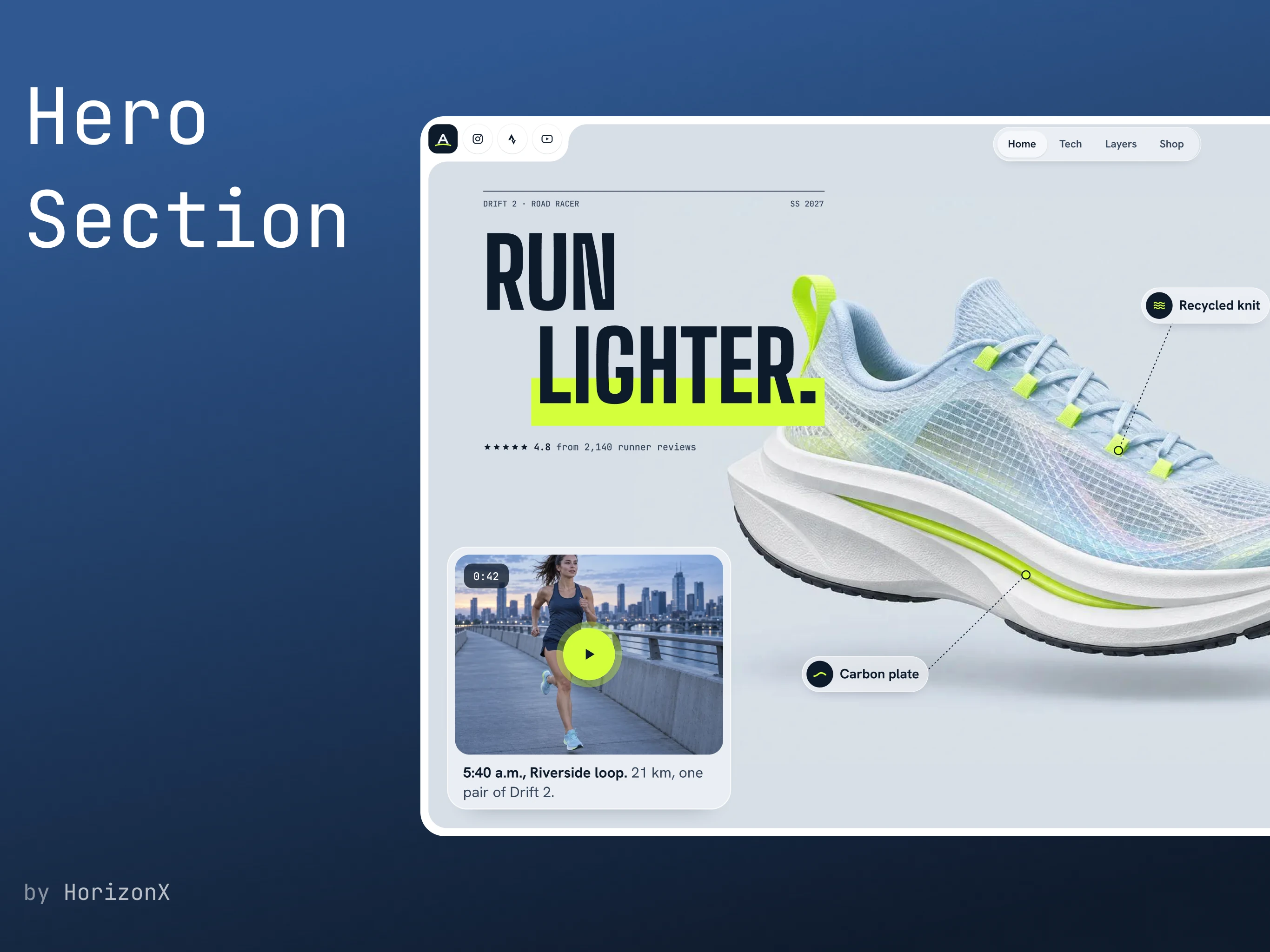
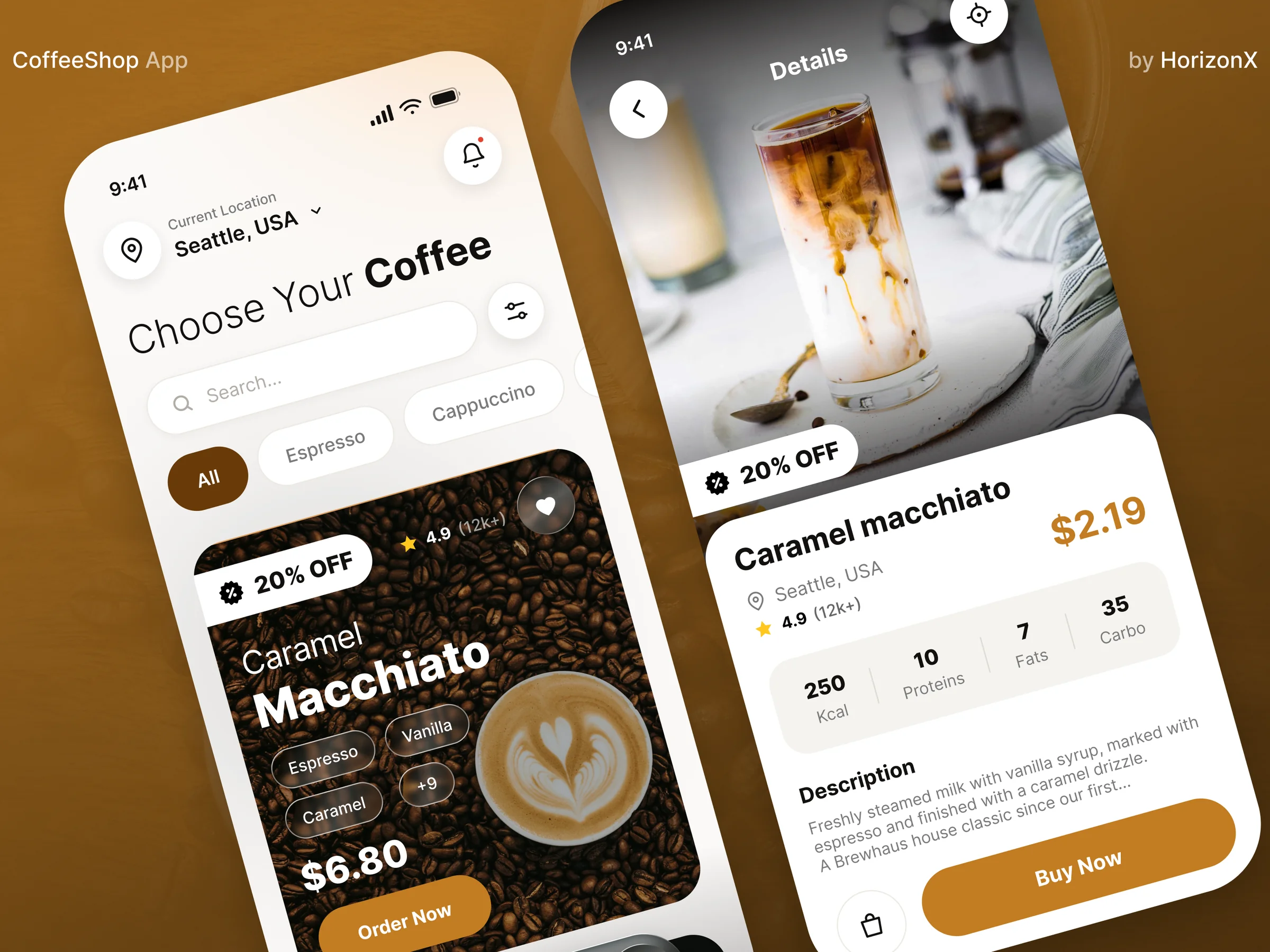
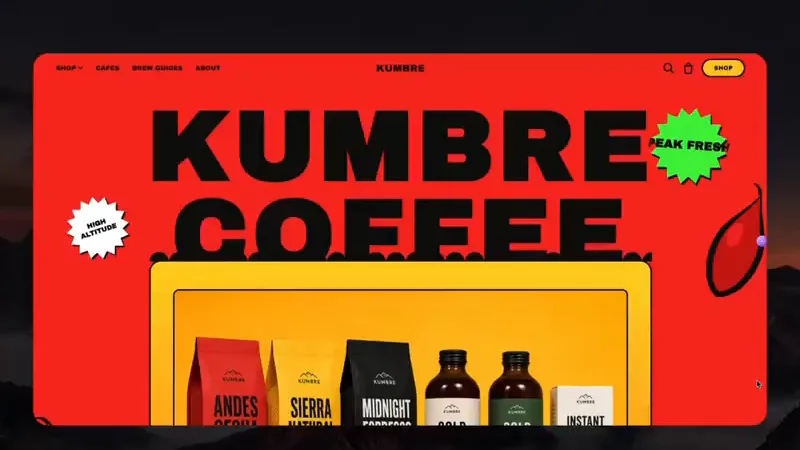
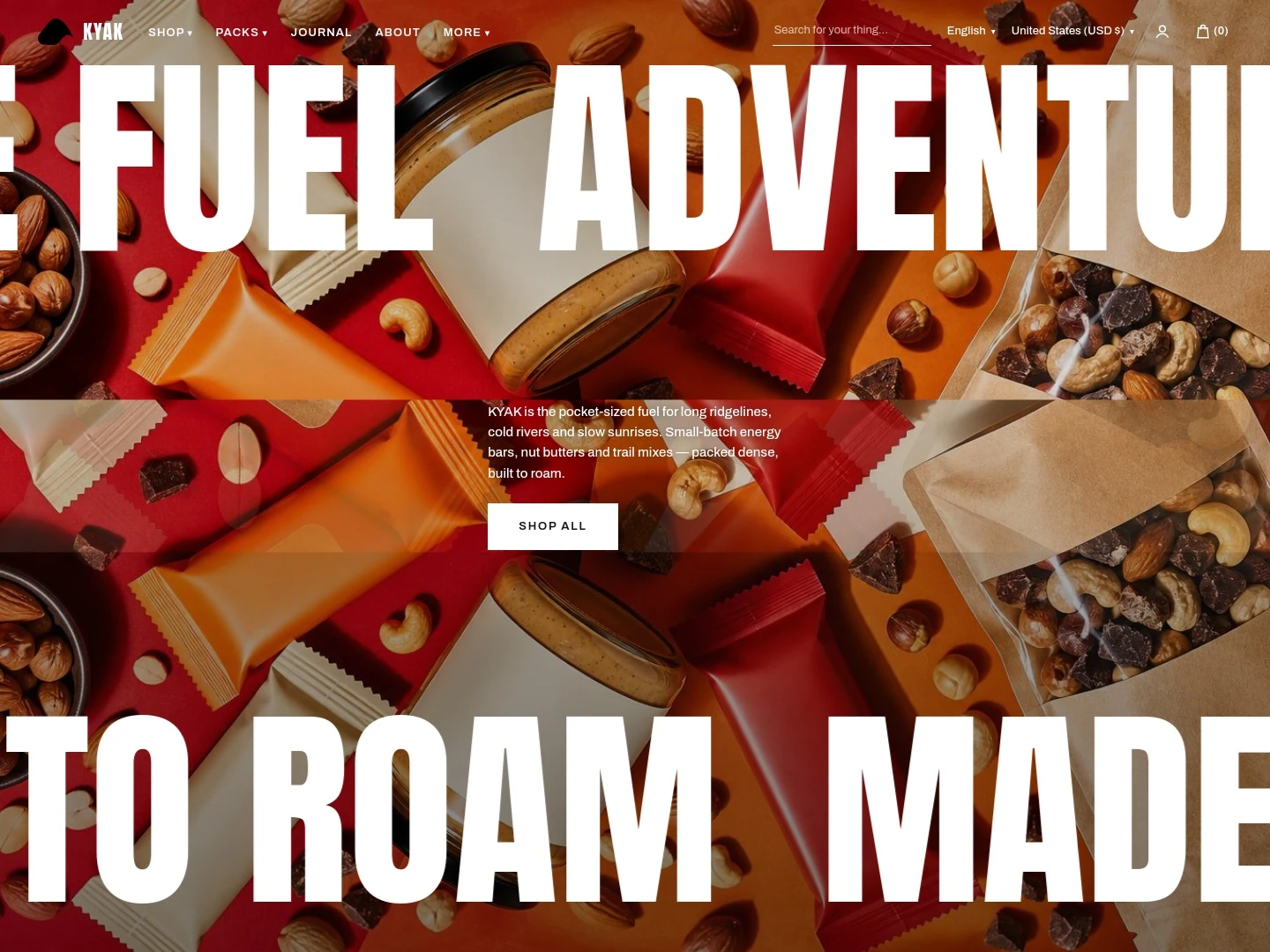
Storefront and product-page concepts built around strong product photography, trust-building layout and buy flows that reduce friction. Each design treats the catalog and the checkout as the whole experience, not an afterthought.
This collection curates e-commerce designs that treat shopping as an end-to-end experience: catalog grids, product detail pages, cart and the checkout that closes the loop. The focus is on product-first layout, trust and low-friction buy flows.
You get concepts where the product photography leads and the interface supports it, so a storefront reads as credible rather than cluttered.
Brands and founders launching or redesigning a storefront, and designers who want product-page patterns that convert. If the buy flow is the whole point of a store, these layouts put it at the center.
They are also a strong reference for anyone moving from a generic template to something that feels like a real merchandising system.
A storefront is structured and repetitive, which makes it well suited to a template-and-build approach. Start from a concept and an agent can populate the catalog and product pages within a layout already designed to reduce friction at the point of purchase.
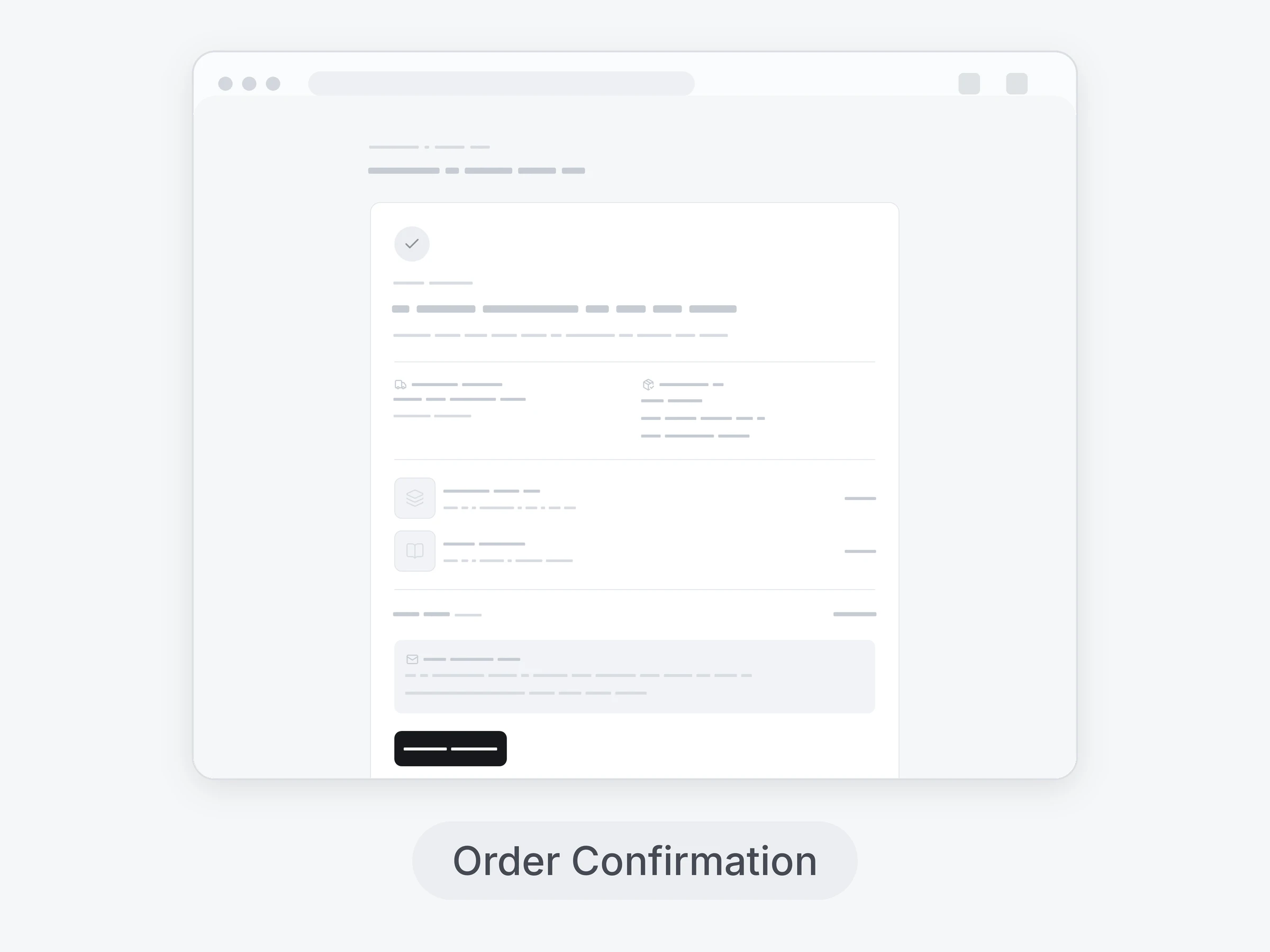
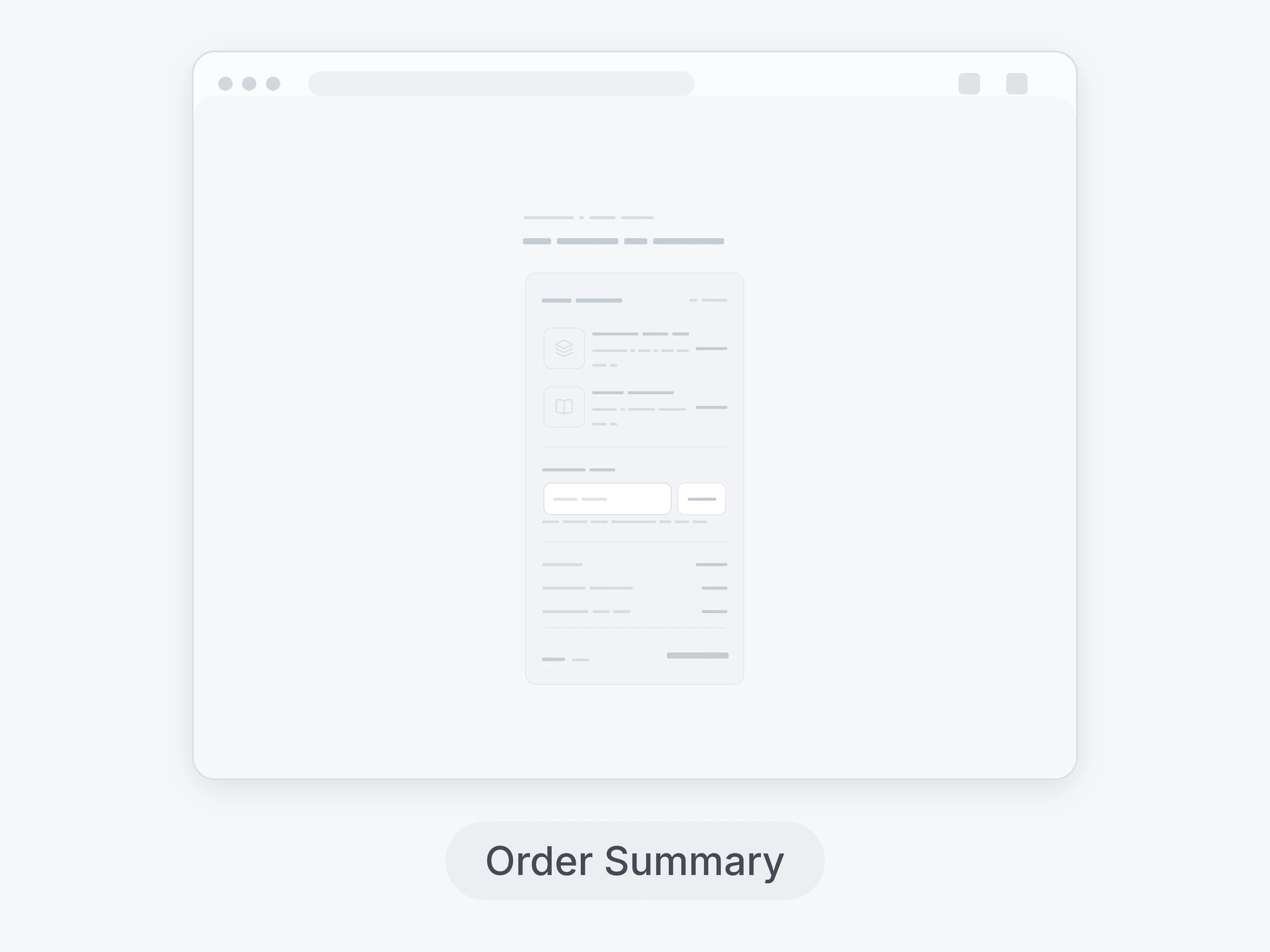
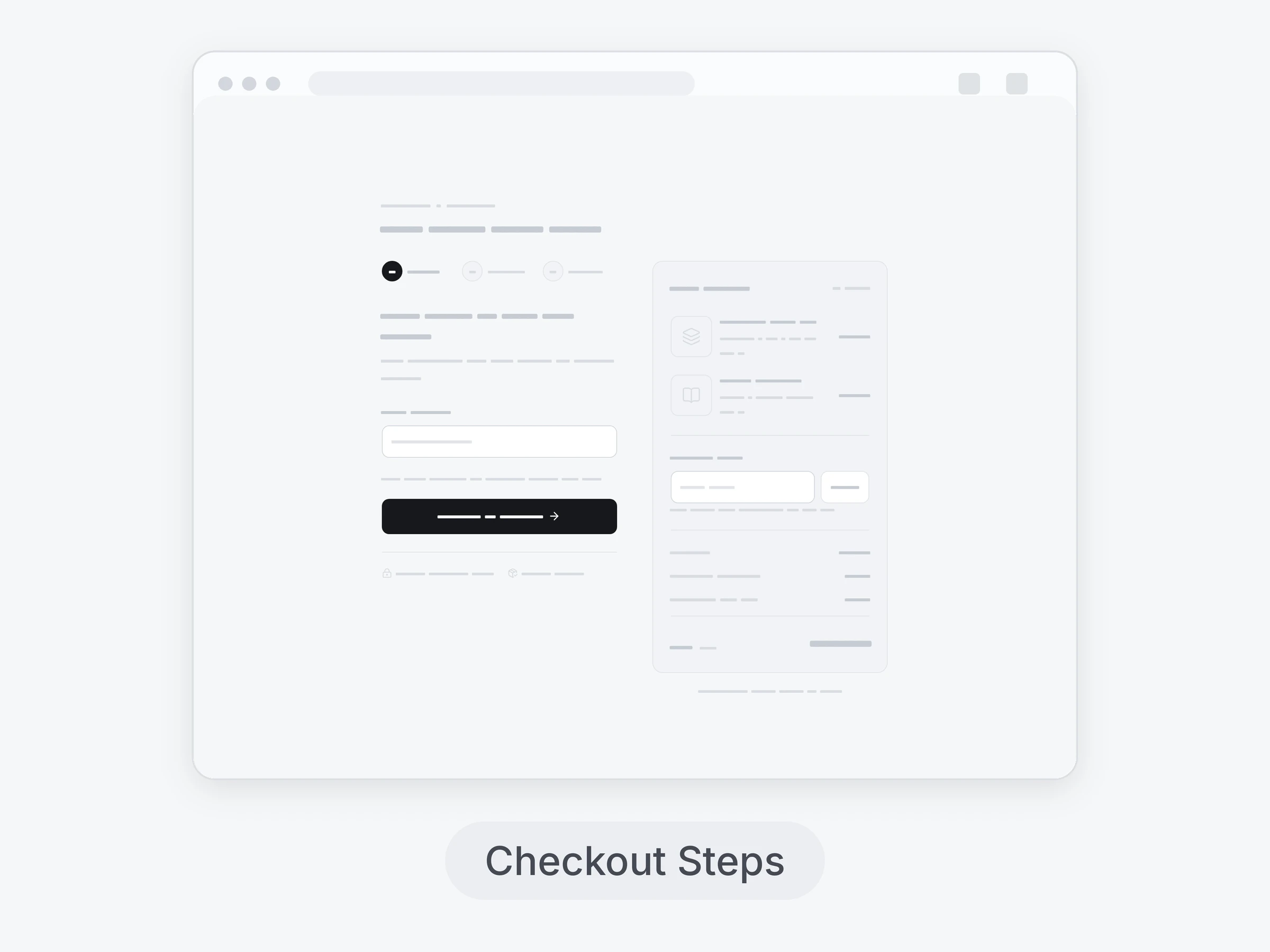
The value is in the sequence: product -> trust -> add to cart -> checkout. A template keeps that sequence intact while you adapt the brand and inventory.
These are storefront and product-page concepts designed around a complete buy flow. They adapt to a structured e-commerce build, with the catalog, product, cart and checkout sequence already resolved. The product-first layout and clear buy flow carry through each step, so the experience stays consistent as you add inventory and promotions.
E-commerce design covers the storefront, product pages, catalog and checkout, the full shopping experience where product photography, trust and low-friction buy flows drive conversion.
The best concepts treat catalog, product page, cart and checkout as one continuous flow, so the experience does not fall apart at the final step.
Yes. The layouts are designed around real merchandising and conversion patterns, so they adapt to live inventory and pricing rather than being presentation-only.
The catalog is structured and repetitive, so an agent can populate product pages within a conversion-focused layout. You get the trust and buy-flow sequence already resolved.
Keep exploring
Browse every design in the HorizonX catalog, from UI kits and templates to textures, shaders and mockups.